
NFT vs Dutch Bucket Hydroponics: Which System Should You Choose in India?
If you are planning a hydroponics setup – a balcony kit, a rooftop farm or a commercial polyhouse – the first big decision is the system. In India, two systems cover most of what growers need: NFT (Nutrient Film Technique) and Dutch bucket (Bato bucket). Both grow plants without soil, both recirculate water and nutrients, and INHYDRO manufactures both in our own factory near Noida.
But they are built for very different crops. Pick the wrong one and you either waste space or struggle with plants that are too heavy for the system. This guide compares NFT and Dutch bucket hydroponics side by side – crops, yield per square metre, cost, maintenance and risk – so you can choose with confidence.
Quick answer: Grow leafy greens and herbs (lettuce, spinach, basil, mint, pak choi) in NFT channels. Grow fruiting and vine crops (tomato, cucumber, capsicum, chilli, brinjal, melon, strawberry) in Dutch buckets. Many successful farms run both, from separate nutrient tanks.
What Is NFT Hydroponics?
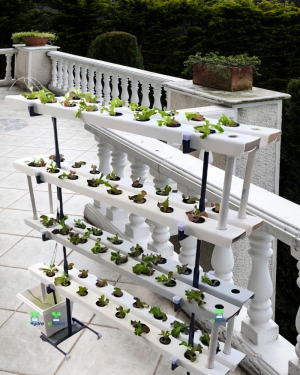
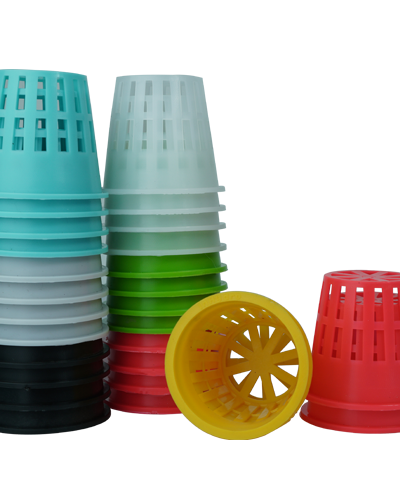
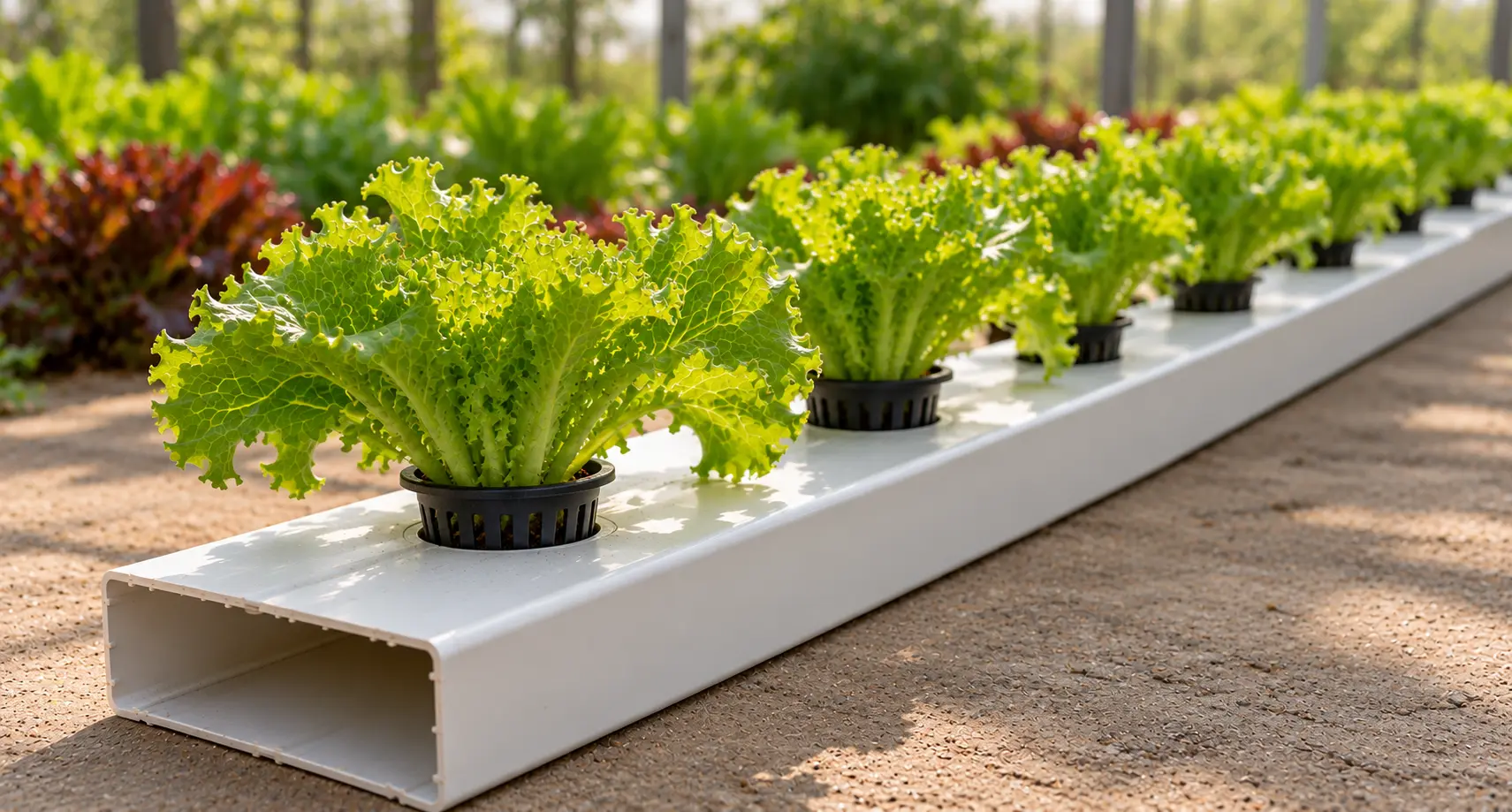
In an NFT system, plants sit in net pots placed in holes along food-grade HDPE channels. A pump lifts nutrient solution from a tank to the top end of each channel. Because the channels have a slight slope (about 1–2%), the solution flows down as a thin film past the roots and drains back to the tank. Roots get water, nutrients and oxygen at the same time.
There is no growing medium apart from a small seedling plug (coco peat, oasis cube or rockwool), so the system is light, clean and quick to harvest and replant.

Lettuce in HDPE NFT channels – the classic NFT crop
Advantages of NFT
- Highest plant density for leafy crops – 20 to 25 plants per square metre on flat beds, and much more on vertical A-frames.
- Fast cycles – lettuce is ready 30–45 days after transplanting, so you get 8–10 harvests a year.
- Very low water use – the same solution keeps recirculating.
- No media cost and very little cleaning between crops.
- Uniform, clean produce that sells well to hotels, cafés and premium retail.
Limitations of NFT
- Power cuts are risky. With no medium holding water, roots can dry within a few hours if the pump stops. Use an inverter or a timer-backed pump and keep the tank shaded.
- Not for heavy plants. Tomatoes or cucumbers grow large root masses that block the channel and need strong support.
- Needs a good slope and stand so the film flows evenly.
What Is a Dutch Bucket (Bato Bucket) System?
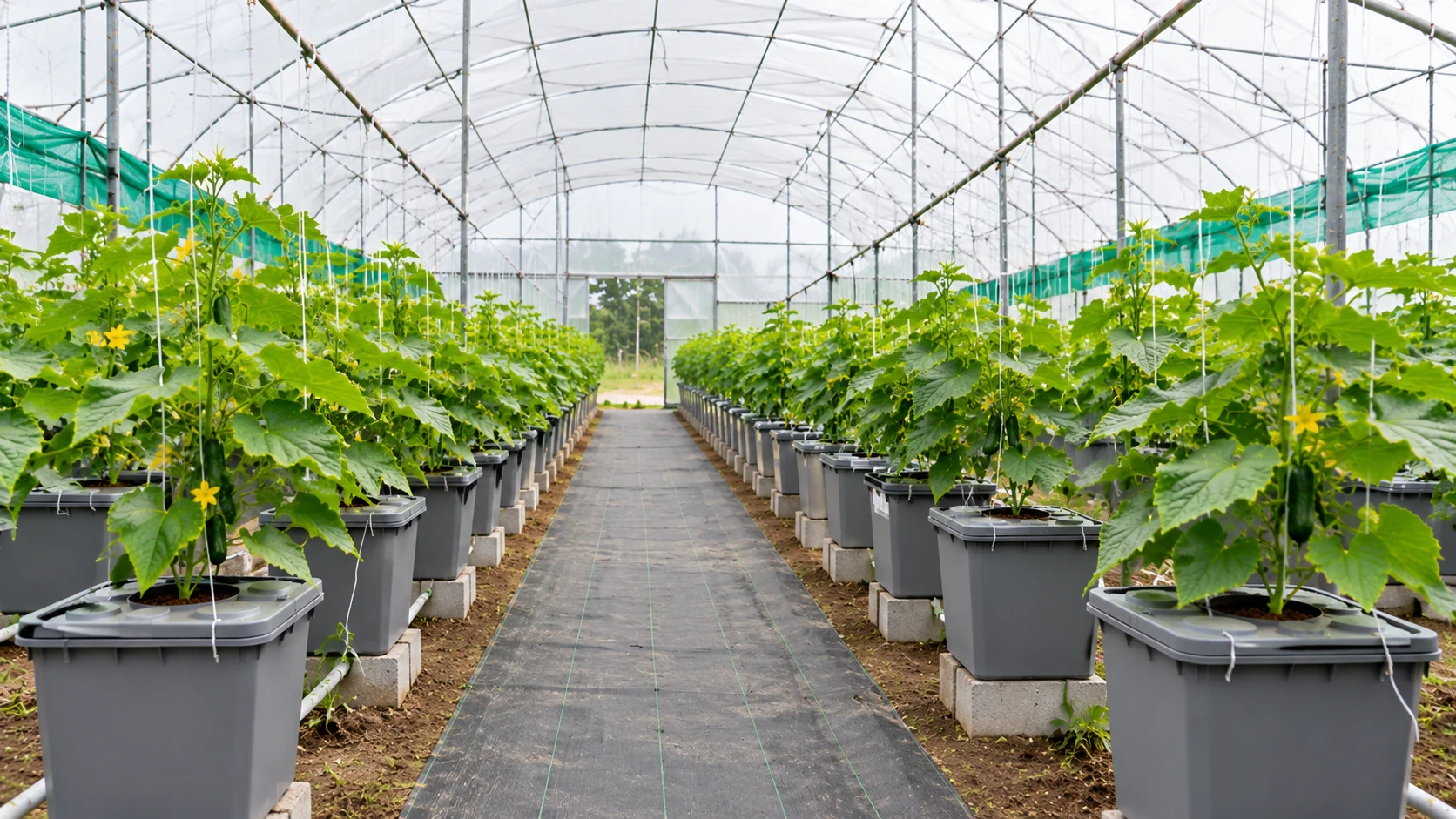
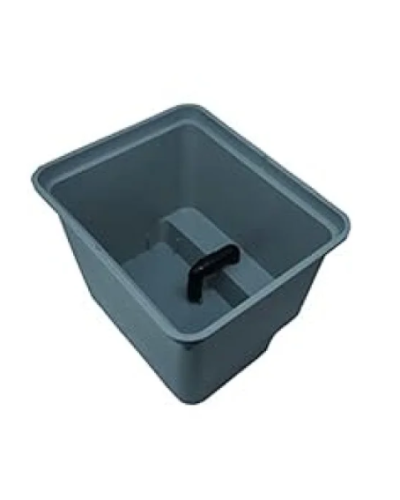
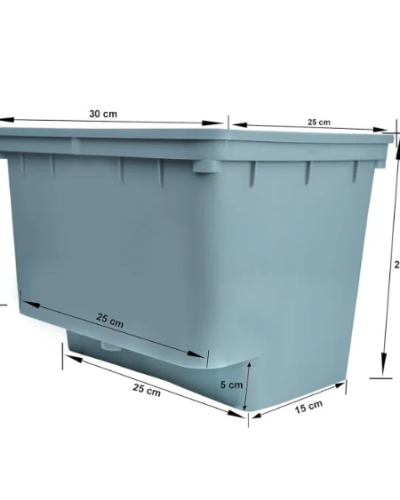
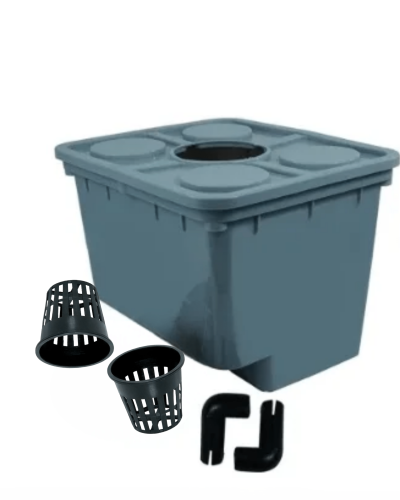
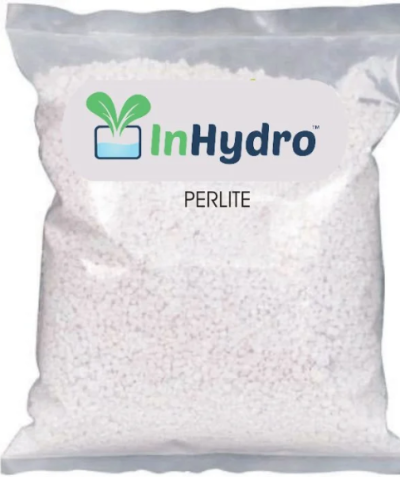
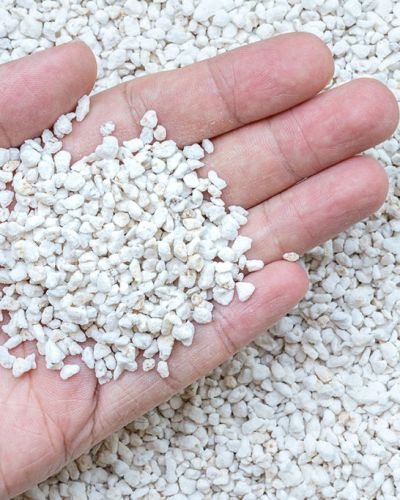
A Dutch bucket system uses individual buckets – one or two plants per bucket – filled with an inert medium such as perlite, coco peat, coco chips or clay balls. Nutrient solution is dripped into each bucket through a drip line. A siphon elbow at the base keeps a small reserve of solution in the bottom of the bucket and lets the excess drain into a common return pipe, back to the tank.
The medium gives large root systems room to grow and anchor, and it holds moisture – which makes Dutch buckets far more forgiving than NFT.

A Dutch bucket line with vine crops trained on support wires
Advantages of Dutch Buckets
- Made for big, fruiting plants – tomato, cucumber, capsicum, chilli, brinjal, melon and strawberry.
- More forgiving – the medium holds water, so a short power cut does not harm the crop.
- Each plant is separate – if one plant gets a disease, you can remove that bucket without disturbing the rest.
- Long harvest period – vine crops keep producing for 4–8 months from one planting.
- Easy to expand – add buckets to the line as you grow.
Limitations of Dutch Buckets
- Fewer plants per square metre – usually 2.5 to 3 vine plants.
- Media cost and handling – perlite or coco needs to be washed or replaced between crops.
- Needs trellis or support wires for vines, and regular pruning and training.
NFT vs Dutch Bucket: Side-by-Side Comparison
| Factor | NFT channels | Dutch buckets |
|---|---|---|
| Best crops | Lettuce, spinach, basil, mint, coriander, pak choi, kale | Tomato, cucumber, capsicum, chilli, brinjal, melon, strawberry |
| Plants per sq m | 20–25 (more on vertical frames) | 2.5–3 vine plants |
| Growing medium | Only a seedling plug | Perlite, coco peat, coco chips or clay balls |
| Crop cycle | 30–45 days (lettuce) | 4–8 months of continuous harvest |
| Water use | Very low, continuous recirculation | Low, drip with drain-back |
| Power-cut risk | High – roots can dry in hours | Low – medium holds moisture |
| Support needed | Stand, table or A-frame | Trellis or support wires |
| Labour | Frequent transplant and harvest | Pruning, training and pollination |
| Typical buyers | Home growers, rooftop and salad farms, schools, hotels | Polyhouse farmers, terrace vegetable growers |
Which System Is Right for You?
For home, balcony and terrace growers
If you want fresh salad and herbs for the family, a 24–48 plant NFT system is the easiest start. If you want home-grown tomatoes, chillies or cucumbers, start with 4–8 Dutch buckets on a sunny terrace. Many home growers begin with NFT and add a few buckets later.
For commercial farms and polyhouses
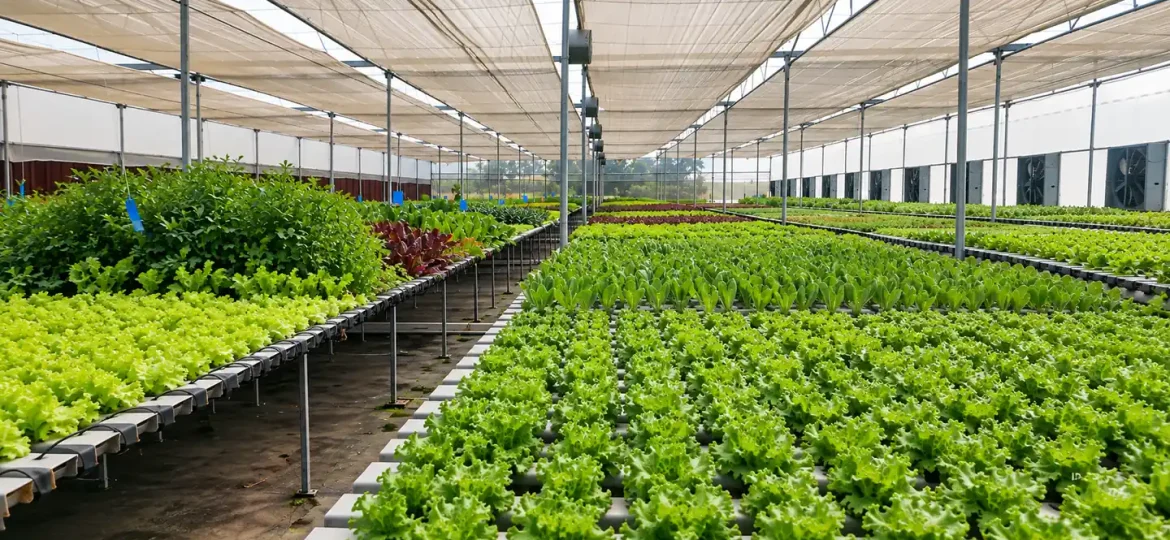
Choose by the market you sell to. Leafy greens and exotic lettuce for hotels, cafés and modern retail give fast, repeated cash flow – NFT is the right system. High-value vine crops like coloured capsicum, cherry tomato and English cucumber earn more per plant over a long season – Dutch buckets in a polyhouse are the standard. Read our polyhouse farming guide for structure options and subsidy details.
Running both? Keep NFT and Dutch buckets on separate tanks. Leafy greens and fruiting crops need different nutrient recipes and EC levels, especially once vine crops start flowering.
What You Need to Get Started
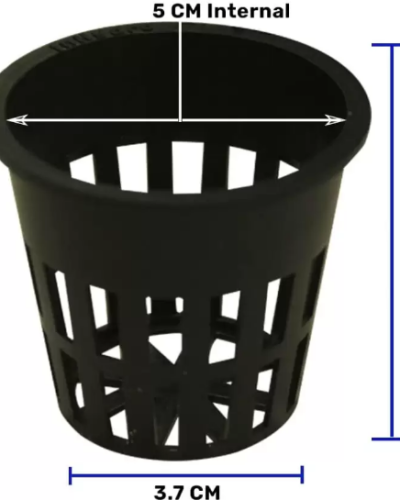
For NFT: HDPE NFT channels with end caps, 2-inch net pots, a stand or frame, a submersible pump, a covered nutrient tank, leafy nutrient (A + B), and a TDS/EC meter and pH meter.
For Dutch buckets: Dutch buckets with lids and siphon elbows, 2- or 4-inch net cups, perlite or coco chips, drip lines and emitters, a return pipe, pump and tank, vine/fruiting nutrient, and a TDS/EC meter.
Frequently Asked Questions
You can grow a few small or cherry tomato plants, but it is not recommended. Tomato roots grow large and block the channel, and the plants need strong support. Dutch buckets are the better and more reliable choice for tomatoes.
Both can be profitable. NFT gives more plants and more harvests per square metre for leafy greens, so cash flow is faster. Dutch buckets give higher value per plant for crops like coloured capsicum and cherry tomato over a long season. Choose based on what your buyers want.
The film of water stops flowing and roots can start drying within a few hours, especially in summer. Keep a small inverter for the pump, shade the channels and tank, and check the system after every outage.
Perlite and coco chips are the most common. Perlite drains fast and is easy to reuse after washing; coco holds more water. Many growers use a mix of perlite and coco chips. Clay balls are clean and reusable but cost more.
Only if all your crops are at a similar stage and need similar nutrients. In practice, leafy greens and fruiting crops need different nutrient recipes and EC levels, so separate tanks give much better results.
Yes. INHYDRO manufactures HDPE NFT channels and Dutch buckets in its own factory and supplies complete home kits, vertical systems and commercial farms with installation and training across India.
Conclusion
NFT and Dutch buckets are not competitors – they solve different problems. Choose NFT for fast, dense leafy greens and herbs, and Dutch buckets for heavy, long-season fruiting crops. If you grow both, run them side by side from separate tanks.
Not sure which fits your space, budget and market? Share your location, area and the crops you want to grow – the INHYDRO team will suggest a layout and a parts list.
Plan your NFT or Dutch bucket setup with INHYDRO
Home kits, vertical systems and commercial farms – made in our own factory, delivered across India.