

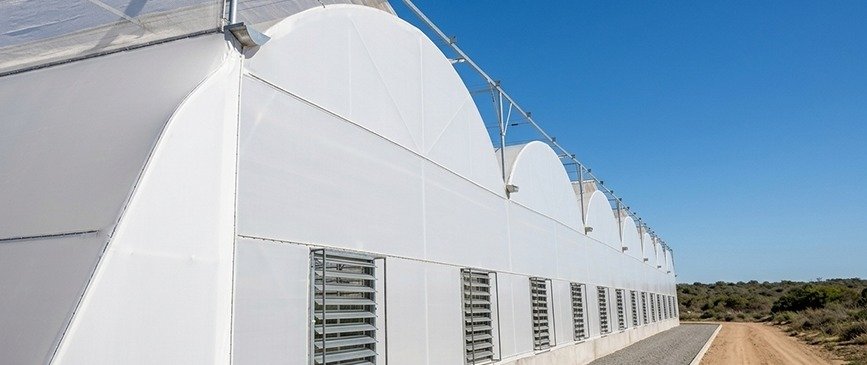
Polyhouse Farming in India: Complete Guide to Protected Cultivation, Cost, Subsidy, Crops & Commercial Opportunities
Indian agriculture is rapidly transitioning from traditional cultivation to high-value, technology-driven farming. With shrinking landholdings, changing climate patterns, increasing labour costs, and rising demand for premium-quality produce, farmers and agribusinesses are looking for cultivation methods that deliver higher productivity with lower risk.
One of the most successful solutions is polyhouse farming, a modern protected cultivation system that creates a controlled growing environment for crops. By protecting plants from adverse weather and enabling precise irrigation and nutrient management, polyhouses help farmers produce consistent, high-quality crops throughout the year.
Across India, commercial cultivation of vegetables, flowers, herbs, and exotic crops inside polyhouses is growing rapidly. Government subsidy schemes, improved market access, and increasing demand from supermarkets, hotels, food processors, and exporters have made polyhouse farming an attractive investment for progressive farmers, FPOs, startups, and institutional investors.
At INHYDRO (Integrated Hydroponics India Pvt. Ltd.), we provide complete turnkey solutions for commercial protected cultivation. Our expertise includes feasibility studies, engineering, greenhouse and polyhouse construction, hydroponic systems, irrigation and fertigation, climate automation, agronomy support, and long-term farm operations.
As an empanelled partner with the Government of Uttar Pradesh, INHYDRO also assists eligible farmers in establishing subsidy-based polyhouse projects in accordance with applicable government guidelines.
What is a Polyhouse?
A polyhouse is a protected cultivation structure made from galvanized steel and covered with UV-stabilized polyethylene film. The enclosure creates a favourable microclimate where crops are protected from excessive heat, heavy rainfall, hailstorms, frost, dust, and strong winds.
Unlike open-field farming, where crop growth depends entirely on natural weather conditions, a polyhouse enables growers to regulate temperature, humidity, ventilation, irrigation, and nutrient application to achieve better crop performance.
Modern commercial polyhouses may also include:
- Drip irrigation systems
- Fertigation units
- Fogging and misting systems
- Insect-proof netting
- Shade net systems
- Roof and side ventilation
- Environmental sensors
- Climate controllers
- Hydroponic cultivation systems
- IoT-based monitoring and automation
These technologies create an ideal growing environment that improves crop quality, reduces production risks, and enhances farm profitability.
Why is Polyhouse Farming Becoming Popular in India?
Traditional farming is increasingly affected by unpredictable weather, declining water availability, pest pressure, and fluctuating market conditions. Polyhouse cultivation addresses many of these challenges by providing a controlled environment where crop growth is less dependent on external climatic conditions.
The growing popularity of polyhouse farming in India is driven by several factors:
- Higher crop productivity compared to open-field farming
- Improved quality suitable for premium retail and export markets
- Efficient water and fertilizer utilization
- Better pest and disease management
- Year-round cultivation of high-value crops
- Increased demand for residue-free vegetables
- Government support through protected cultivation schemes
- Higher income per unit area
For farmers cultivating vegetables such as tomato, cucumber, capsicum, cherry tomato, lettuce, and herbs, polyhouses have become an effective way to increase productivity while reducing weather-related losses.
Benefits of Polyhouse Farming?
Before buying plant grow lights, it is important to understand the different types available and what each one is best suited for. InHydro offers multiple types to suit different plants, spaces, and budgets.
1. Higher Crop Productivity
One of the biggest advantages of protected cultivation is significantly higher production compared to conventional farming.
Plants receive:
- Better growing conditions
- Balanced nutrition
- Uniform irrigation
- Reduced environmental stress
This results in healthier plants, improved flowering, better fruit setting, and higher marketable yields.
2. Superior Quality Produce
Polyhouse-grown vegetables generally have:
- Uniform size
- Better colour
- Improved texture
- Higher shelf life
- Lower physical damage
- Premium appearance
This allows farmers to supply modern retail chains, hotels, restaurants, food processors, and export markets.
3. Year-Round Cultivation
Protected cultivation allows farmers to grow crops beyond their normal season, enabling:
- Continuous production
- Better market timing
- Higher off-season prices
- Improved annual revenue
4. Water Conservation
Water scarcity is one of the major challenges in agriculture.
Polyhouse farming uses:
- Drip irrigation
- Fertigation
- Mulching
- Controlled irrigation scheduling
These practices can reduce water consumption by up to 80–90% compared to conventional flood irrigation.
5. Better Nutrient Utilization
Fertilizers are supplied directly to the root zone through fertigation systems.
Benefits include:
- Higher nutrient-use efficiency
- Reduced fertilizer wastage
- Better root development
- Faster plant growth
6. Reduced Pest and Disease Pressure
The protected environment helps reduce:
- Insect infestation
- Fungal diseases caused by rain
- Soil splash-related diseases
- Wind-borne damage
When integrated with insect-proof netting and good agronomic practices, pesticide usage can often be reduced compared to open-field cultivation.
7. Better Market Prices
Consumers increasingly prefer vegetables that are:
- Cleaner
- Uniform
- Fresh
- Premium quality
- Consistently available
Polyhouse-grown produce often commands higher prices in organized retail and wholesale markets due to its superior appearance and quality.
8. Higher Return per Acre
Since farmers can cultivate premium crops with better yields and improved quality, the revenue generated per acre is often substantially higher than conventional farming.
Types of Polyhouses ?
Selecting the appropriate structure depends on climate, crop type, investment capacity, and production objectives.
Naturally Ventilated Polyhouse (NVPH)
The Naturally Ventilated Polyhouse is the most widely adopted protected cultivation structure in India. It uses natural airflow through roof and side vents to regulate temperature and humidity, making it economical to operate.
Suitable Crops
- English Cucumber
- Tomato
- Colored Capsicum
- Cherry Tomato
- Leafy Greens
- Herbs
- Gerbera
- Rose
- Carnation
Advantages
- Lower operational cost
- Energy efficient
- Minimal maintenance
- Suitable for most Indian climatic conditions
- Ideal for subsidy-supported projects
Fan & Pad Greenhouse
A Fan & Pad greenhouse uses exhaust fans and evaporative cooling pads to maintain optimum temperature inside the structure.
Recommended For
- High-temperature regions
- Hydroponic cultivation
- High-value vegetables
- Nursery production
- Research projects
Benefits
- Better temperature control
- Improved crop quality
- Higher productivity during summer
- Suitable for intensive commercial farming
Climate-Controlled Greenhouse
This is the most advanced protected cultivation system available.
It may include:
- Automatic cooling
- Heating systems
- CO₂ enrichment
- Humidity control
- Climate sensors
- Irrigation automation
- Nutrient dosing
- IoT monitoring
These structures are commonly used for export-oriented agriculture, research institutions, seed production, and high-tech commercial farms.
Best for: Large indoor gardens, hydroponic rooms, professional setups
InHydro options: 50W Flood (budget), 100W Flood (₹2,199), 250W Flood (₹11,999)
Difference Between Polyhouse, Greenhouse and Net House
| Feature | Polyhouse | Greenhouse | Net House |
|---|---|---|---|
| Covering Material | Polyethylene Film | Glass or Polycarbonate/Film | Insect or Shade Net |
| Climate Protection | High | Very High | Moderate |
| Rain Protection | Yes | Yes | Limited |
| Temperature Control | Moderate to High | High | Low |
| Crop Quality | Excellent | Excellent | Good |
| Investment | Medium | High | Low |
| Suitable Crops | Vegetables, Flowers, Herbs | High-value Crops, Hydroponics | Nursery, Vegetables, Floriculture |
For most commercial vegetable growers in India, a Naturally Ventilated Polyhouse offers the best balance between investment and productivity.
Choosing the Right Polyhouse?
Every farm has unique requirements. Before investing, several factors should be evaluated:
- Climatic conditions
- Crop selection
- Market demand
- Water quality and availability
- Soil conditions (if applicable)
- Investment budget
- Labour availability
- Future expansion plans
- Government subsidy eligibility
A professional feasibility study helps optimize project design, improve resource utilization, and enhance long-term profitability.
Best Crops for Commercial Polyhouse Farming
The profitability of a polyhouse project largely depends on selecting the right crop based on climate, market demand, water availability, and marketing channels. High-value vegetables generally provide the best return on investment because they command premium prices while benefiting significantly from protected cultivation.
At INHYDRO, crop planning is carried out after evaluating:
- Agro-climatic conditions
- Local and regional market demand
- Water quality
- Soil analysis (for soil-based cultivation)
- Availability of skilled labour
- Marketing channels
- Investment capacity
- Production objectives
Best Vegetables for Polyhouse Farming
| English Cucumber | 90–120 Days | Soil / Grow Bags / Hydroponics | Very High |
| Colored Capsicum | 8–10 Months | Grow Bags | Very High |
| Cherry Tomato | 7–9 Months | Grow Bags | High |
| Tomato | 8–10 Months | Grow Bags | Very High |
| Lettuce | 35–45 Days | Hydroponics (NFT/DWC) | Very High |
| Zucchini | 70–90 Days | Grow Bags | High |
| Basil | 45–60 Days | Hydroponics / Soil | High |
| Spinach | 30–40 Days | Hydroponics | High |
| Kale | 45–60 Days | Hydroponics | Growing |
| Pak Choi | 30–40 Days | Hydroponics | High |
Flower Crops
Commercial flower production under polyhouses offers excellent returns, particularly near metro cities and export markets.
Popular flowers include:
- Gerbera
- Rose
- Carnation
- Chrysanthemum
- Lilium
- Gypsophila
Herbs
- Basil
- Rosemary
- Mint
- Thyme
- Oregano
- Parsley
- Coriander
Fruits
Polyhouses are also used for cultivating premium fruits such as:
- Strawberry
- Raspberry
- Blueberry (selected regions)
- Specialty Melons
Recommended Plant Population
The number of plants per acre depends on crop spacing, training system, and cultivation method.
| Crop | Approximate Plant Population/Acre |
| English Cucumber | 8,000–9,000 |
| Colored Capsicum | 8,500–9,500 |
| Cherry Tomato | 8,000–9,000 |
| Tomato | 7,500–8,500 |
| Zucchini | 6,000–7,000 |
| Strawberry | 35,000–45,000 |
| Lettuce (Hydroponics) | 45,000–80,000 per cycle |
Commercial Production Under Polyhouse
The following figures represent realistic commercial production achievable with proper crop management, fertigation, irrigation, and plant protection under Indian conditions.
English Cucumber
- Crop Duration: 90–120 Days
- Plants/Acre: 8,000–9,000
- Average Yield: 4–5 kg per plant
- Expected Production: 32–45 MT per acre per crop
- Recommended Crop Cycles: 2 crops/year
Annual Production:
64–90 MT per acre
Colored Capsicum
- Crop Duration: 8–10 Months
- Plants/Acre: 8,500–9,500
- Average Yield: 3–4 kg per plant
- Expected Production:
25–38 MT per acre
Cherry Tomato
- Crop Duration: 7–9 Months
Plants/Acre:
8,000–9,000
Average Yield:
2–3 kg per plant
Expected Production:
16–27 MT per acre
Indeterminate Tomato
- Crop Duration: 8–10 Months
- Plants/Acre: 7,500–8,500
- Average Yield: 6–8 kg per plant
- Expected Production:
45–68 MT per acre
Hydroponic Lettuce
Commercial NFT System
Production Cycle:
35–45 days
Plants per Cycle:
45,000–80,000
Annual Production:
350,000–600,000 lettuce heads
Crop Calendar (Indicative)
| Month | Recommended Crop |
| January | Cucumber, Capsicum, Tomato, Lettuce |
| February | Cucumber, Lettuce |
| March | Tomato, Capsicum |
| April | Capsicum |
| May | Capsicum |
| June | Cucumber |
| July | Cucumber |
| August | Tomato Nursery |
| September | Tomato, Lettuce |
| October | Cucumber |
| November | Tomato |
| December | Lettuce, Herbs |
Crop planning varies based on regional climate and market demand.
Polyhouse Construction Cost in India
The cost of a commercial polyhouse depends on multiple engineering and technical factors.
Factors Affecting Project Cost
- Project size
- Wind load
- Location
- Polyhouse design
- Steel specifications
- Foundation design
- Automation level
- Irrigation system
- Hydroponic integration
- Electrical installation
- Crop type
Indicative Construction Cost
| Structure Type | Approximate Cost |
| Naturally Ventilated Polyhouse | ₹900–₹1,400/sq. m |
| Fan & Pad Greenhouse | ₹1,800–₹3,000/sq. m |
| Climate Controlled Greenhouse | ₹3,000–₹5,500+/sq. m |
The above costs are indicative only. Actual project costs depend on engineering specifications, location, project size, and technical requirements.
Typical Components Included
A turnkey commercial polyhouse generally includes:
- Civil foundation
- Hot-dip galvanized structure
- UV stabilized poly film
- Insect-proof net
- Shade net
- Gutter system
- Drip irrigation
- Fertigation unit
- Fogging system
- Electrical works
- Water storage and pumping (if included)
- Installation
- Testing & commissioning
Additional Systems
Depending on crop requirements, farmers may also install:
- Hydroponic NFT systems
- Dutch Bucket systems
- Grow Bag systems
- Environmental sensors
- Climate controllers
- Automatic nutrient dosing
- Remote monitoring
- Solar power systems
- Packhouse and cold room facilities
Government Subsidy for Polyhouse
To promote protected cultivation, both the Government of India and State Governments provide financial assistance through horticulture development schemes.
Subsidies may be available under:
- Mission for Integrated Development of Horticulture (MIDH)
- National Horticulture Mission (NHM)
- State Horticulture Departments
- Other state-specific protected cultivation schemes
The subsidy amount varies depending on:
- State
- Farmer category
- Landholding
- Project size
- Applicable government guidelines
Applicants should always verify the latest eligibility criteria with the concerned horticulture department.
INHYDRO – Empanelled Partner with the Government of Uttar Pradesh
INHYDRO is an empanelled partner with the Government of Uttar Pradesh for the implementation of subsidy-based polyhouse and protected cultivation projects.
Our experienced team supports farmers throughout the entire project lifecycle.
Our Services Include
- Site inspection
- Project feasibility study
- Polyhouse design
- Technical drawings
- Subsidy-compliant project planning
- Supply and installation
- Quality inspection
- Documentation assistance
- Farmer training
- Technical support after commissioning
Our objective is to ensure that farmers establish technically sound, commercially viable, and subsidy-compliant polyhouse projects.
Is Polyhouse Farming Profitable?
Yes. When managed professionally, polyhouse farming can generate significantly higher income than conventional cultivation.
The profitability depends on:
- Crop selection
- Market price
- Production efficiency
- Labour management
- Pest and disease control
- Water quality
- Technical support
High-value vegetables such as English cucumber, coloured capsicum, tomato, and hydroponic leafy greens generally offer attractive returns due to premium market demand.
Typical Return on Investment (ROI)
Indicative payback periods under efficient commercial operations are:
| Crop | Estimated Payback Period |
| English Cucumber | 2–4 Years |
| Tomato | 2.5–4 Years |
| Colored Capsicum | 3–5 Years |
| Hydroponic Leafy Greens | 2–4 Years |
Actual financial performance depends on project cost, market conditions, crop management, financing, and operational efficiency.
Common Mistakes to Avoid
Many projects fail not because of the structure, but because of poor planning and management. Common mistakes include:
- Choosing the wrong crop for the local climate
- Ignoring water quality analysis
- Poor fertigation management
- Inadequate pest monitoring
- Using low-quality planting material
- Lack of technical supervision
- Improper ventilation management
- Delayed harvesting
- Poor market planning
Professional guidance from the planning stage can significantly improve project success.
