

Polyhouse Subsidy India 2026 — Complete Government Guide for Indian Farmers
Are you planning to set up a polyhouse farm in India? The Government of India provides up to 50% polyhouse subsidy India 2026 through schemes like NHB, NHM, and NABARD — with a maximum limit of ₹1 Crore. Whether you are a small farmer or planning a large commercial polyhouse farming project, there is a scheme designed for you. In this complete guide we explain every polyhouse subsidy scheme, eligibility criteria, documents required, and the exact step by step application process so you can get your government grant without any confusion.
What is Polyhouse Farming in India?
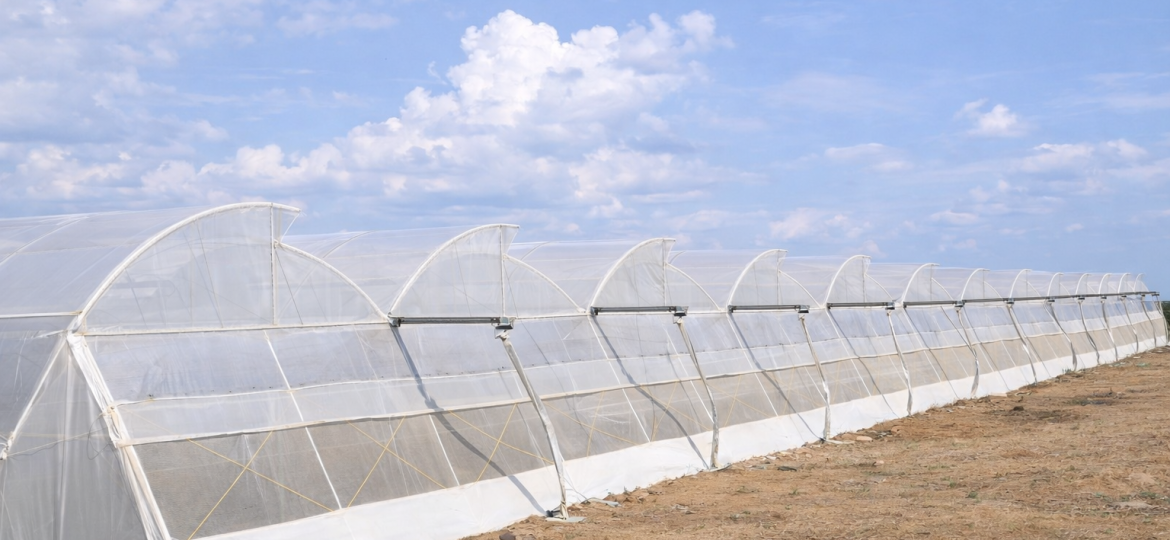
Polyhouse farming is a modern agricultural technique where crops are grown inside a controlled environment covered with UV-stabilized polyethylene film. This protective covering shields crops from extreme weather conditions, pests, and diseases while significantly increasing yield and quality. In India polyhouse farming has become extremely popular because it allows farmers to grow high value crops like tomatoes, cucumbers, bell peppers, and strawberries throughout the entire year regardless of outside weather conditions. The Government of India has recognized the importance of this technology and introduced multiple polyhouse subsidy schemes to make it affordable for every Indian farmer regardless of their financial situation.
Major Polyhouse Subsidy Schemes in India – 2026
1. National Horticulture Board (NHB) Polyhouse Subsidy
The NHB polyhouse subsidy scheme is best suited for large commercial polyhouse projects across India. Under this scheme eligible farmers can receive a flat 50% subsidy on their total project cost. The maximum subsidy limit is ₹56 Lakhs for general areas and up to ₹1 Crore depending on the structure type and location. The minimum area requirement is 4,000 square meters for general areas and 1,000 square meters for farmers in North East India and hilly regions. This is a credit linked back ended subsidy which means you must first take a bank loan and the subsidy amount is credited directly to your loan account after construction is completed and government inspection is done. All applications are submitted online at nhb.gov.in with a processing fee of approximately ₹5,000 to ₹10,000.
2. National Horticulture Mission (NHM) Polyhouse Subsidy
The NHM polyhouse subsidy under MIDH is the best option for small and medium farmers across India. This scheme covers polyhouse area ranging from 500 square meters to 4,000 square meters making it accessible to farmers with smaller landholdings. Eligible farmers can receive up to 50% subsidy on their total polyhouse project cost under this scheme. This scheme is managed by your local District Horticulture Officer and applications can be submitted through your state specific portal such as HodaHaryana for Haryana farmers, RajKisan for Rajasthan farmers, or I-Khedut for Gujarat farmers.
3. NABARD and State Specific Polyhouse Schemes
NABARD primarily functions as the refinancing body for banks in India ensuring that subsidy amounts are correctly credited to farmers loan accounts. Many Indian states also offer additional top up subsidies on top of the central government schemes. States like Haryana, Gujarat, Maharashtra, and Karnataka regularly announce state specific polyhouse schemes so always check your state agriculture department website for the latest updates before applying.
Polyhouse Subsidy Eligibility Criteria 2026
Before applying for any polyhouse subsidy scheme in India make sure you meet all of these eligibility requirements to avoid rejection of your application.
You must own agricultural land or possess a registered lease agreement for a minimum period of 10 to 15 years. A bank loan is mandatory for most 2026 polyhouse subsidy schemes because they are credit linked. This means you cannot construct the polyhouse using 100% of your own funds and then claim a refund. You must take a formal agriculture term loan covering at least 25% of the total project cost from a recognized bank. You must not start any construction work before receiving the official Letter of Intent or administrative approval from the government department. Starting construction before LOI will permanently and irreversibly disqualify you from receiving the polyhouse subsidy. A Detailed Project Report prepared by a qualified agricultural expert is mandatory for all schemes without exception.
⚠️ Most Important Warning — Read This Before You Start
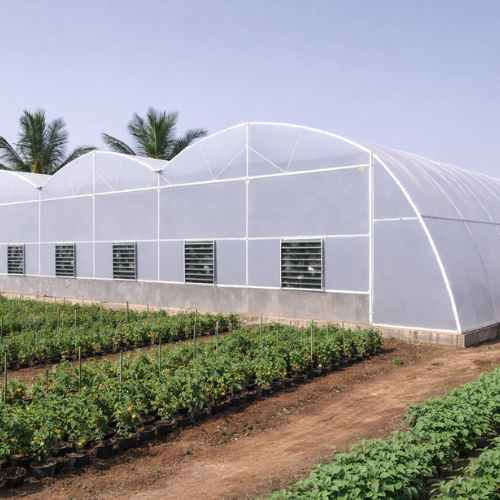
This is the single most important thing to remember about polyhouse subsidy India 2026. If you start building your polyhouse before receiving the official Letter of Intent from the government department you will be permanently disqualified from the subsidy scheme with absolutely no exceptions. This costly mistake happens to many Indian farmers every year resulting in losses of lakhs of rupees. Always wait for the LOI first and only then begin any construction activity on your polyhouse farm.
Documents Required for Polyhouse Subsidy Application
Prepare all these documents in both digital format and physical hard copy before starting your polyhouse subsidy application to avoid any delays in processing.
- For identity proof you need your Aadhaar Card and PAN Card.
- For land records you need the latest 7/12 extract also known as Satbara, 8-A extract, and a certified land map called Nakasha.
- You need a Detailed Project Report covering your crop choice, construction costs, and expected profit projections prepared by a qualified agricultural expert.
- A soil and water test report is required to prove that your site is technically suitable for polyhouse cultivation.
- A bank sanction letter confirming that a nationalized bank has approved your agriculture term loan is essential.
Finally you need a vendor quotation or cost estimate from an approved and recognized polyhouse construction company.
Step by Step Polyhouse Subsidy Application Process 2026
Step 1 — Plan Your Project and Prepare DPR
Begin by deciding which crops you want to grow in your polyhouse. High value crops that give the best financial returns in Indian polyhouse farming include seedless cucumber, colored bell pepper, cherry tomato, strawberry, and exotic leafy vegetables. Get a Detailed Project Report prepared by a qualified agricultural expert covering your complete crop plan, technical construction specifications, equipment requirements, and detailed financial projections including expected income and profit. This DPR is the most important foundation document of your entire polyhouse subsidy application.
Step 2 — Get Your Bank Loan Sanctioned
Visit a nationalized bank such as SBI, Bank of Baroda, or Punjab National Bank with your completed DPR and apply for an Agriculture Term Loan. Obtain the official loan sanction letter from the bank confirming the approved loan amount. Also ask your bank specifically about the Agriculture Infrastructure Fund scheme which provides an additional 3% interest subvention on your agriculture loan significantly reducing your total borrowing cost over the loan tenure.
Step 3 — Submit Your Online Application
For NHB polyhouse subsidy apply online at nhb.gov.in and pay the processing fee of approximately ₹5,000 to ₹10,000. For NHM polyhouse subsidy visit your District Horticulture Officer in person or apply through your state specific online portal. Upload all required documents digitally and keep original physical copies safely stored for the verification and inspection process.
Step 4 — Wait for Letter of Intent
After submitting your complete application wait patiently for the government department to issue the official Letter of Intent or Administrative Approval document. This is the official document that formally approves your polyhouse project for subsidy consideration. Only after receiving and carefully reading this document should you begin any construction work on your polyhouse farm. This step cannot be skipped or rushed under any circumstances.
Step 5 — Complete Polyhouse Construction
Construct your polyhouse using quality materials as specified in official government guidelines including B-Class GI pipes and UV-stabilized polyfilm of approved thickness and specifications. Follow all technical specifications mentioned in your approved Detailed Project Report precisely. Once construction is fully completed inform your District Horticulture Officer or NHB regional office in writing to schedule the mandatory government inspection of your completed structure.
Step 6 — Joint Inspection and Subsidy Release
A Joint Inspection Team consisting of a government horticulture officer and a bank representative will visit your farm to physically verify and document the completed polyhouse structure. After a successful inspection confirming everything meets government standards the subsidy amount is released directly to your loan account by the government department. This payment significantly reduces your total outstanding loan amount making your polyhouse farming investment highly affordable.
Which Polyhouse Subsidy Scheme is Best For You?
If your polyhouse area is below 4,000 square meters apply under the NHM scheme through your District Horticulture Office. If your polyhouse area is above 4,000 square meters apply under the NHB scheme at nhb.gov.in. Always check your state agriculture department website for additional state level top up subsidies before submitting your application as combining central and state subsidies can significantly increase your total grant amount.