
Scroll Top

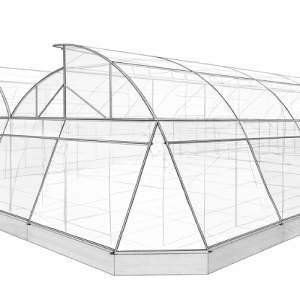
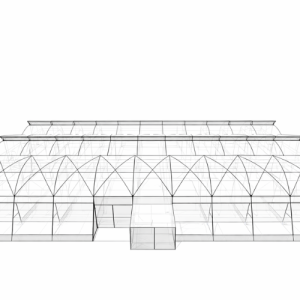
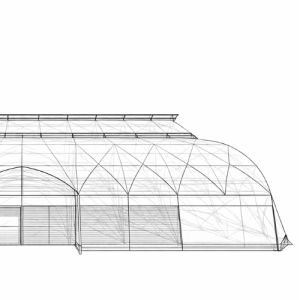
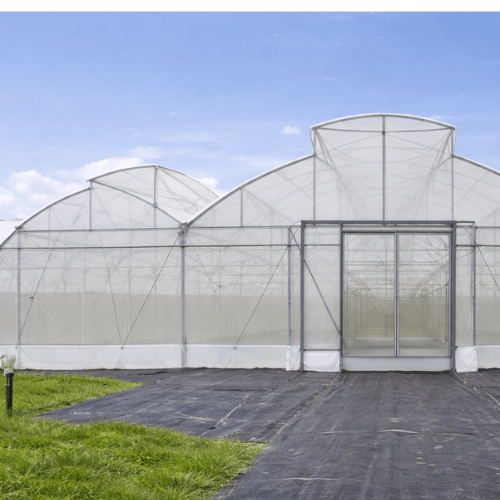
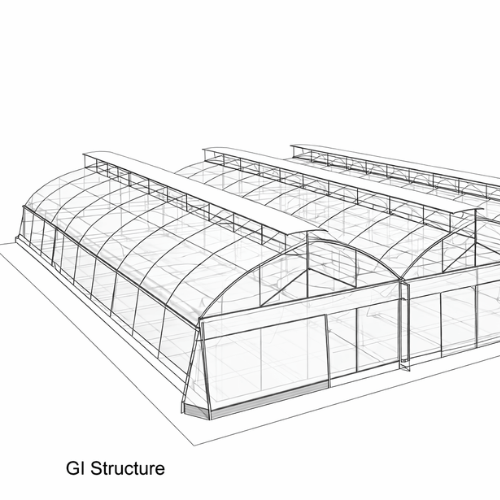
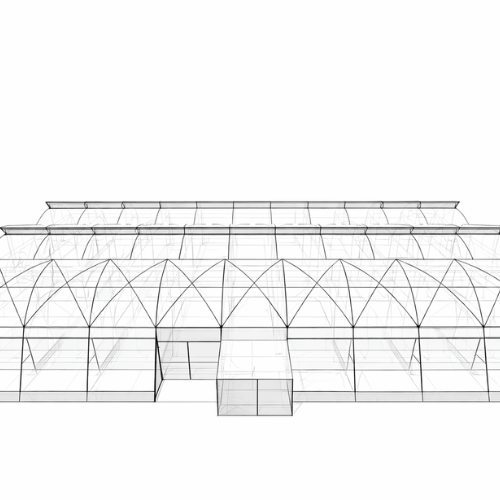
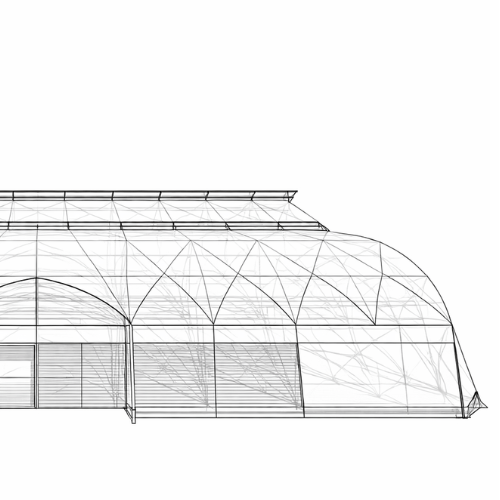
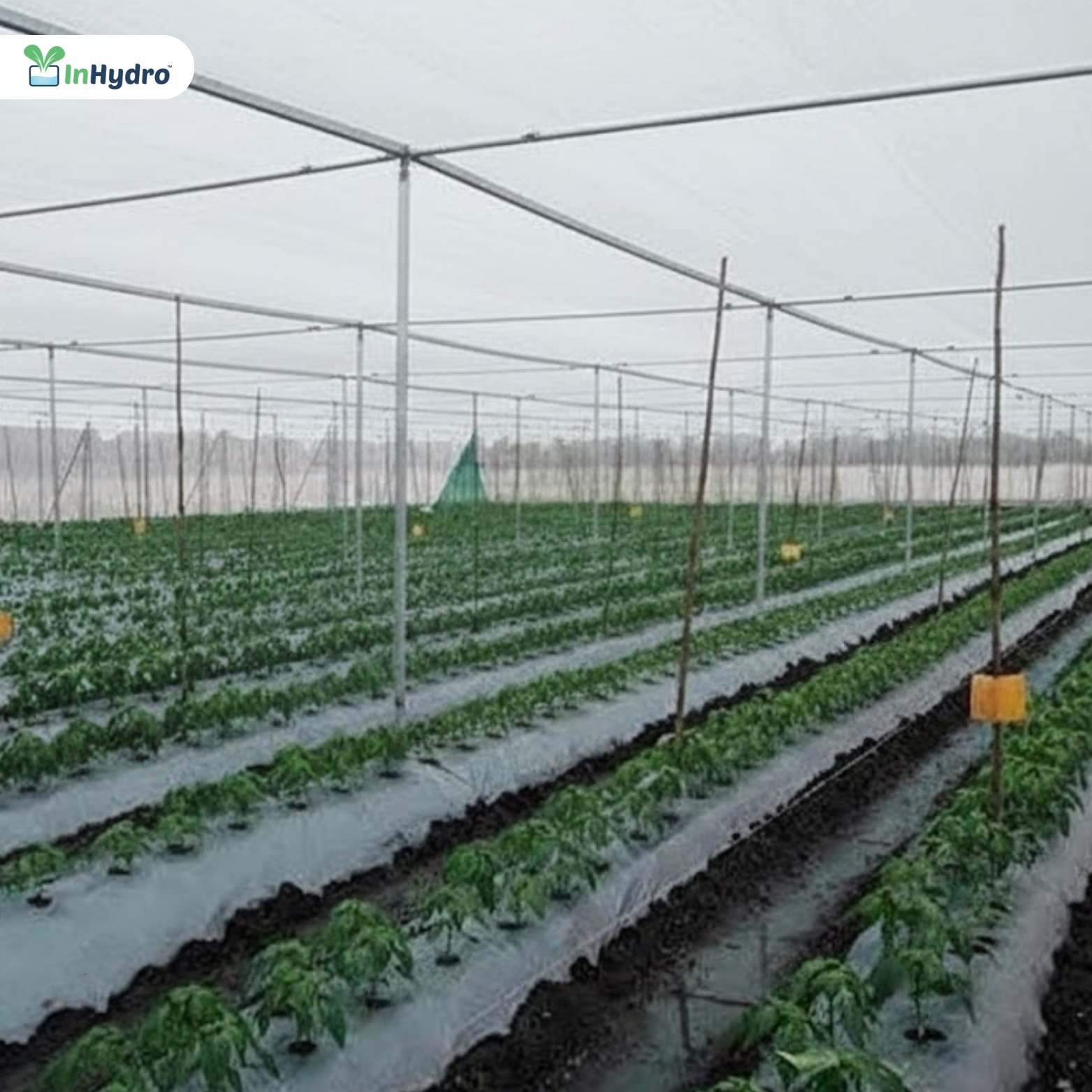
Naturally Ventilated Polyhouse: High-Yield GI Pipe Greenhouse Structure

SKU Wall setup-1 Category Tag Brand:
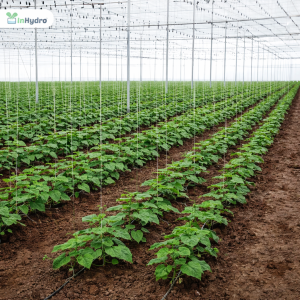
BEST CROPS FOR NATURALLY VENTILATED POLY HOUSE
Crop CategoryBest Crops
Vegetables                                 Capsicum, Tomato, Cucumber, Chilli
Leafy GreensLettuce, Spinach, Coriander, Basil
FruitsStrawberry, Muskmelon
FlowersGerbera, Carnation, Rose
Exotic CropsColored Capsicum, Cherry Tomato

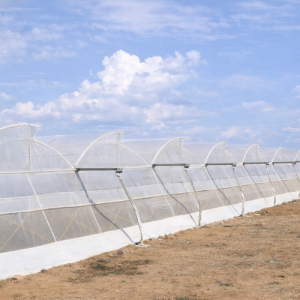
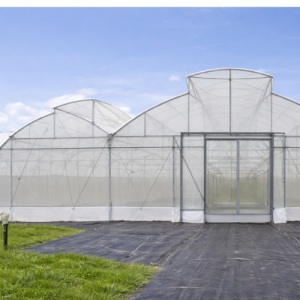
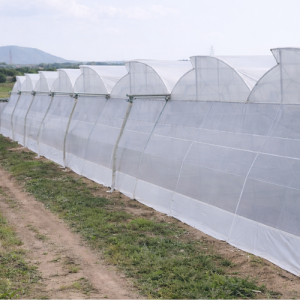
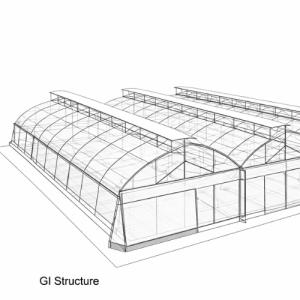
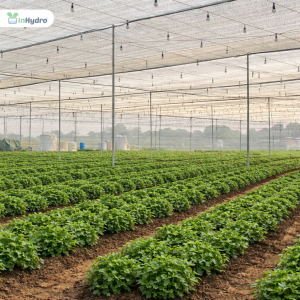
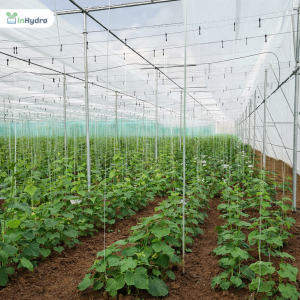
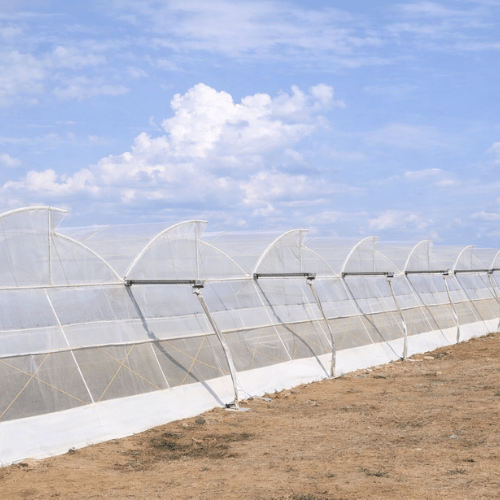
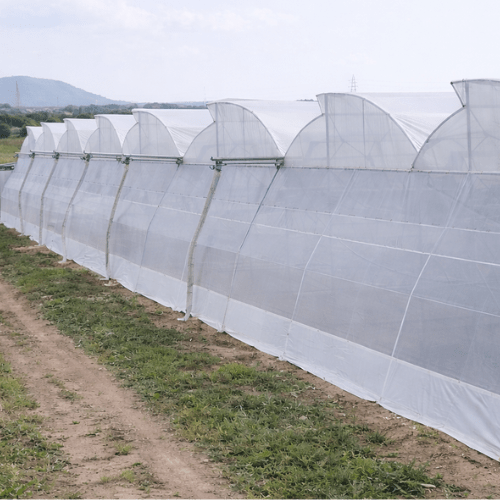
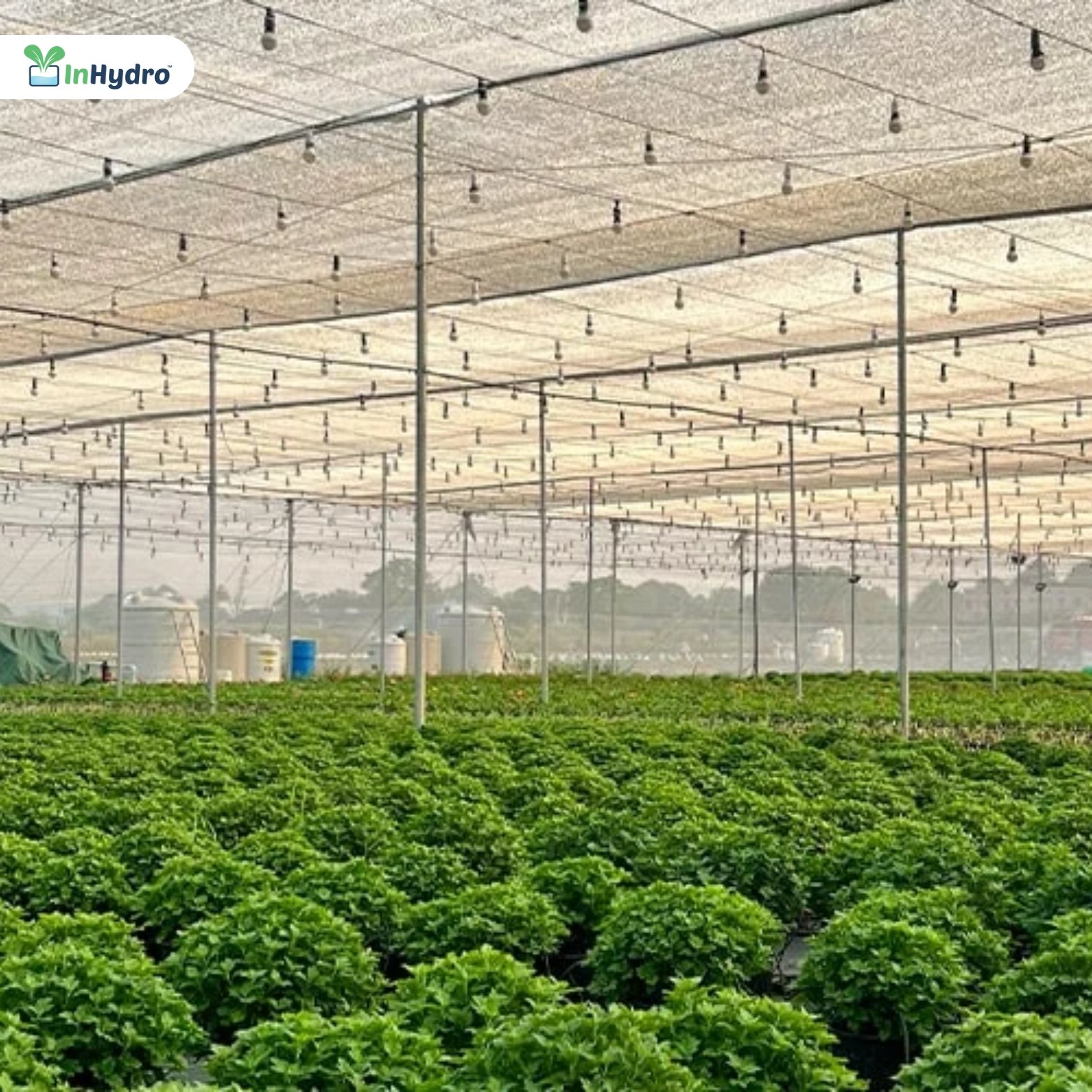
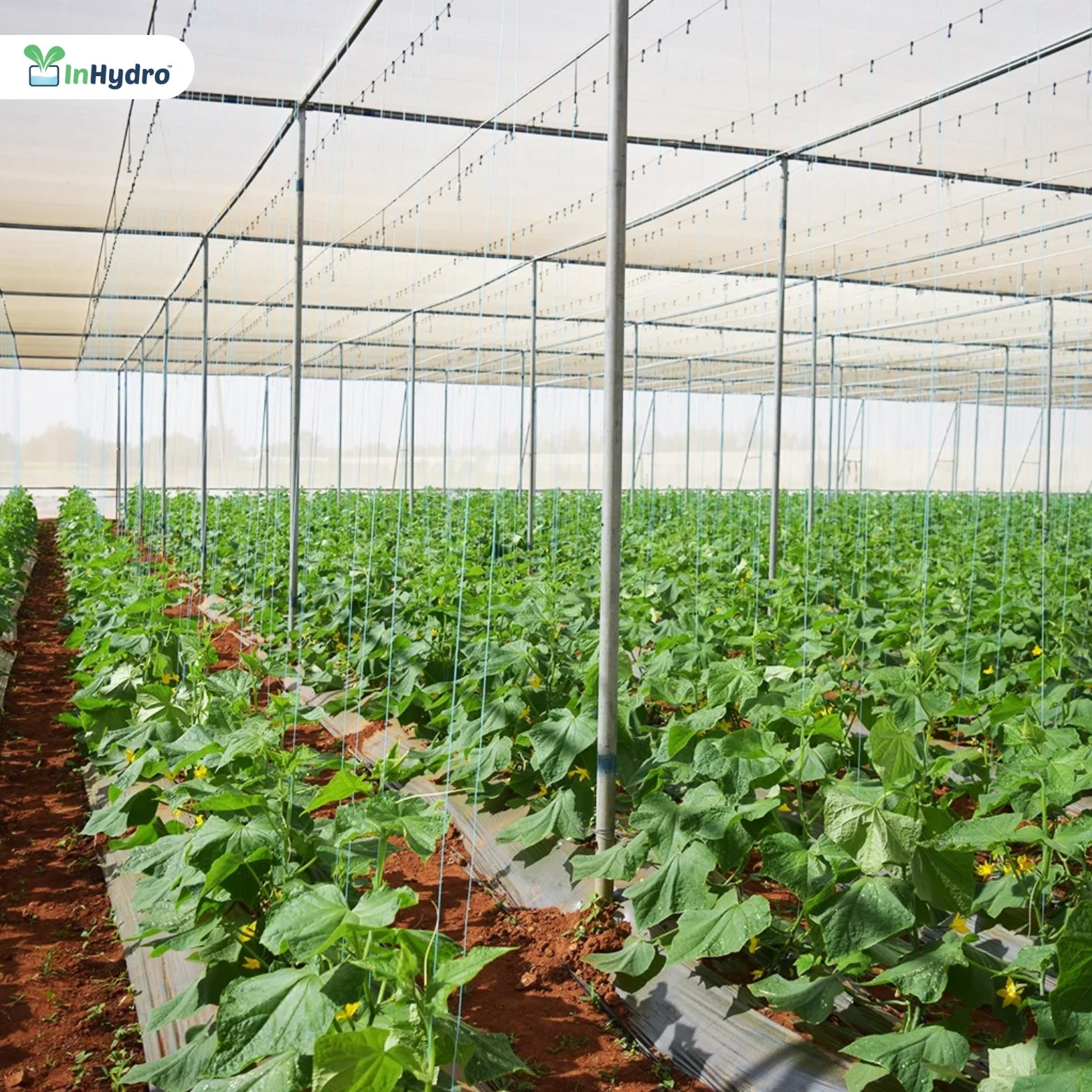
The Inhydro Naturally Ventilated Polyhouse is a professional-grade protected cultivation solution designed to provide an optimal micro-climate without the need for expensive cooling systems. Engineered with a robust GI (Galvanized Iron) pipe frame, this structure utilizes a passive airflow design to naturally regulate temperature and humidity. It is fully NHB and MIDH compliant, making it the perfect choice for farmers seeking government subsidies. With high-quality UV-stabilized poly-film and insect-proof netting, it ensures your crops remain protected from extreme weather and pests, delivering a consistent, year-round harvest.

Rate -: 840 Per/SQ.M

NHB TECHNICAL REQUIREMENTS – NATURALLY VENTILATED POLYHOUSE
ParameterNHB Technical Requirement
Structure TypeNaturally Ventilated Polyhouse
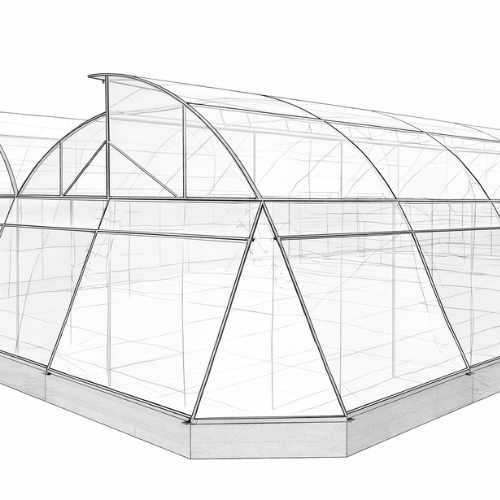
Structural ShapeGable / Arch Type Design
Frame MaterialHot Dip Galvanized (HDG) Steel Pipes
Galvanization ThicknessMinimum 300 GSM Zinc Coating
Design Life (Structure)15–20 Years
WeldingWelding not permitted (except base plate)
Wind Load Resistance100–120 km/hr (as per wind zone)
Grid Size / Bay Spacing4 × 4 meters (Standard)
Column Spacing4 meters
Height4–6 meters (depending on design)
Cladding Material200 Micron UV Stabilized Poly Film
Ventilation TypeNatural Side & Top Ventilation with Insect Net
Shade Net (Optional)35%, 50% or 75% (if required)
Fastening SystemAluminum Profile with Zig-Zag Spring
Drainage SystemGutter & Proper Rainwater Outlet System

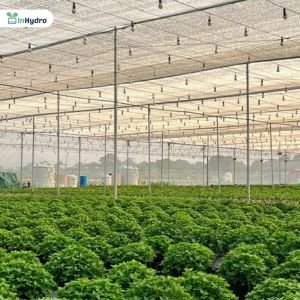
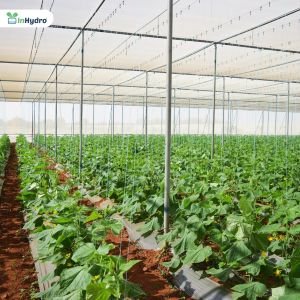
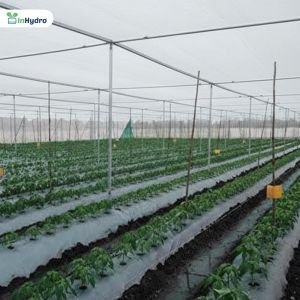
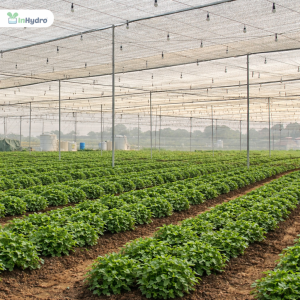
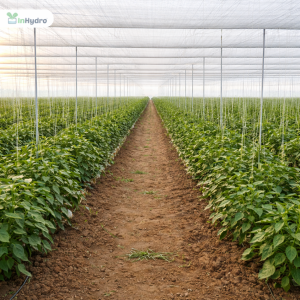
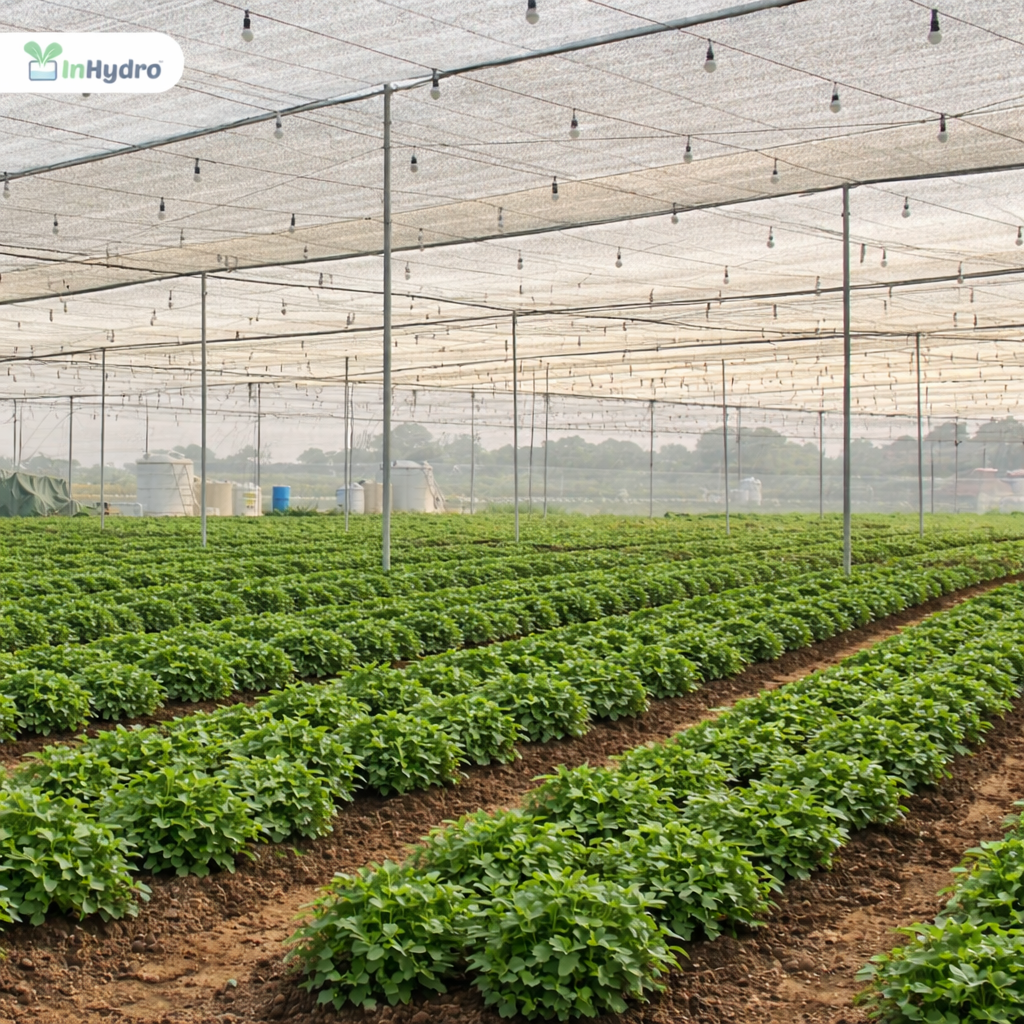
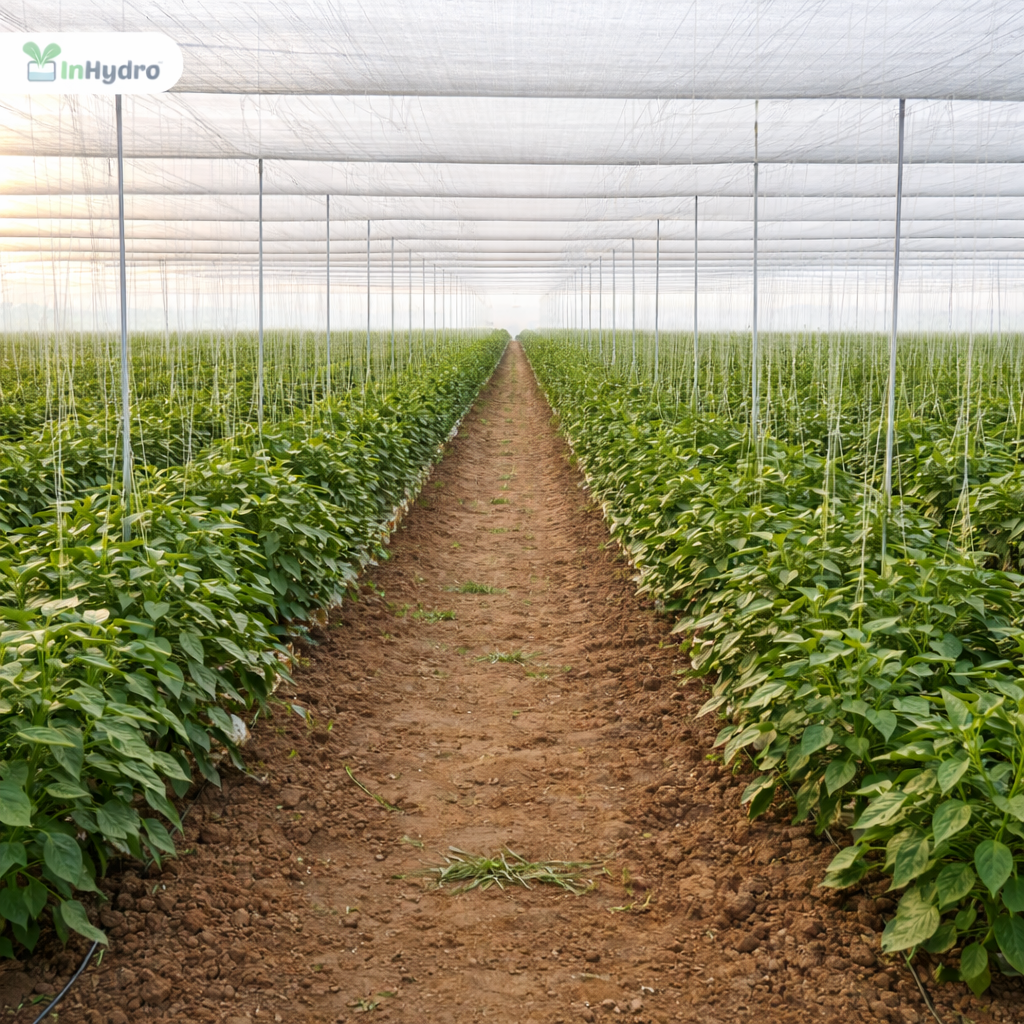
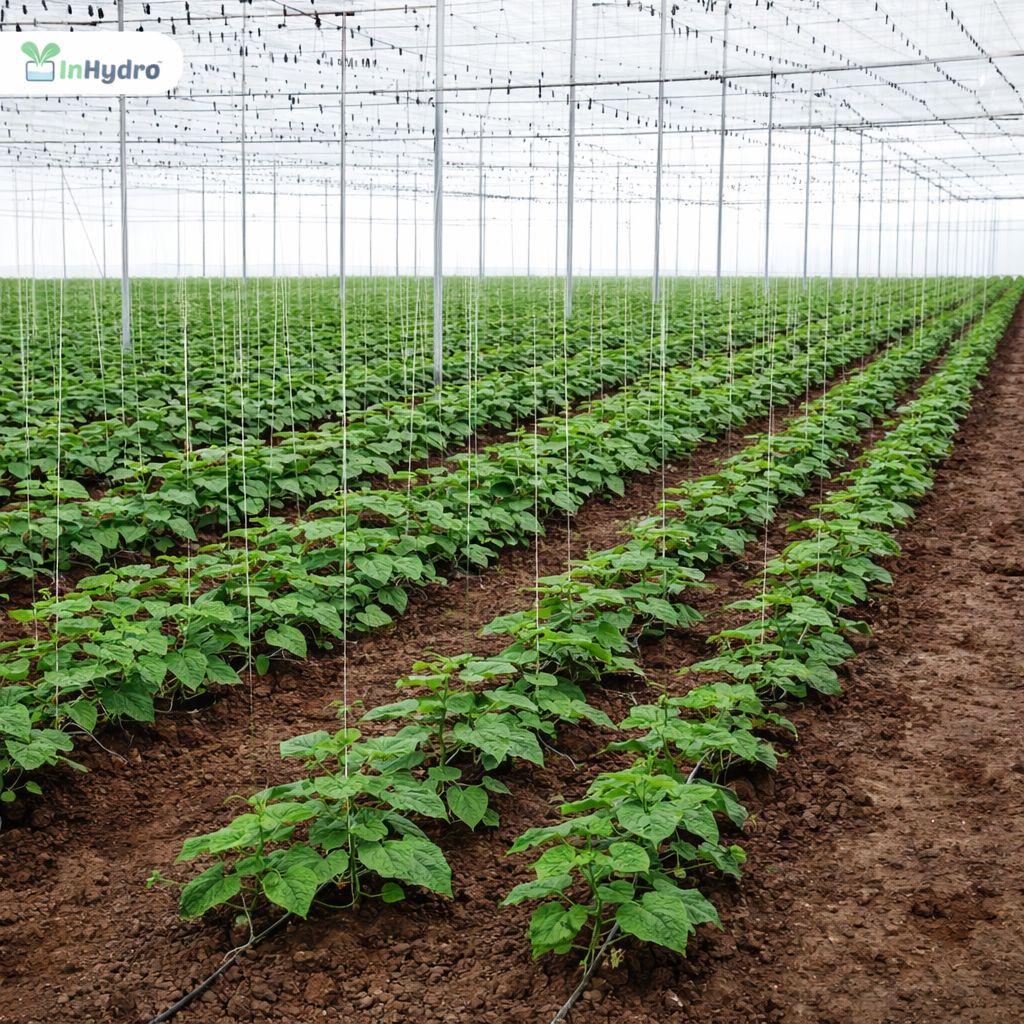
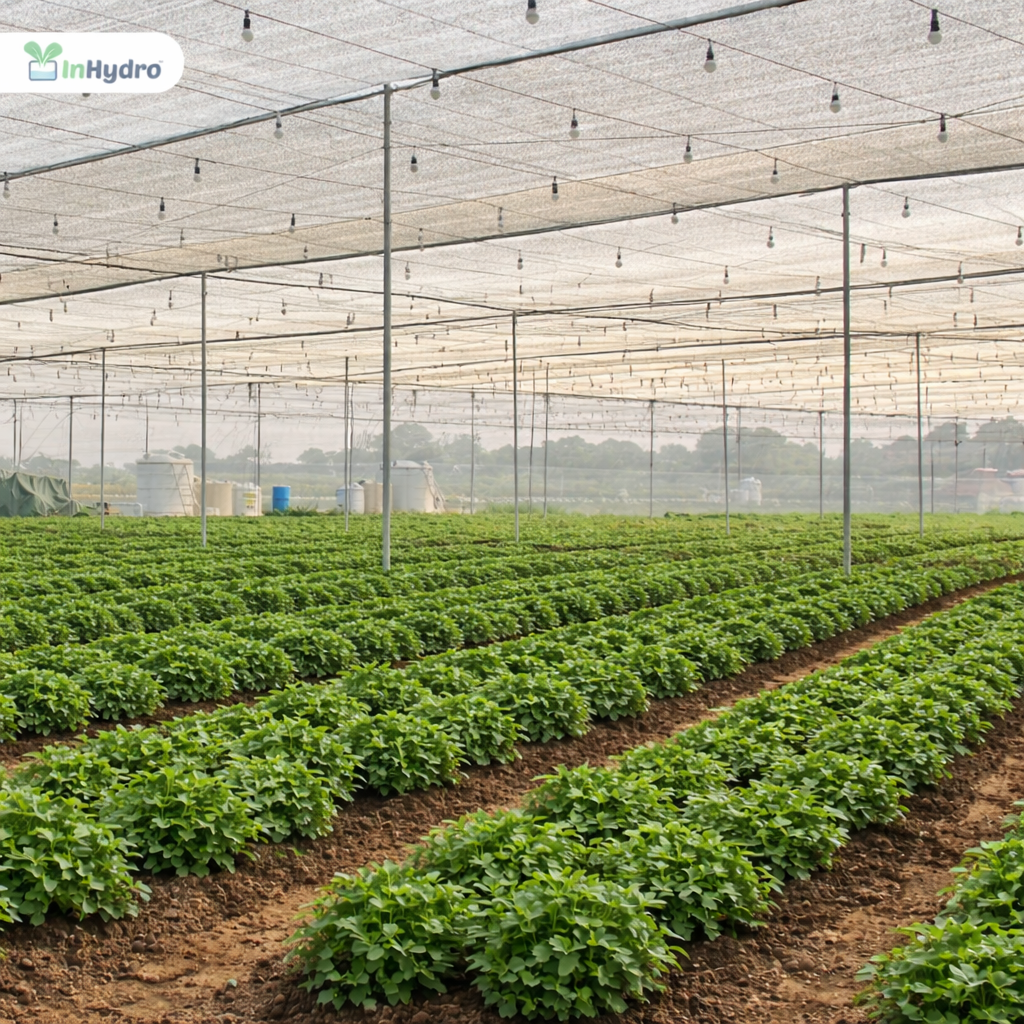
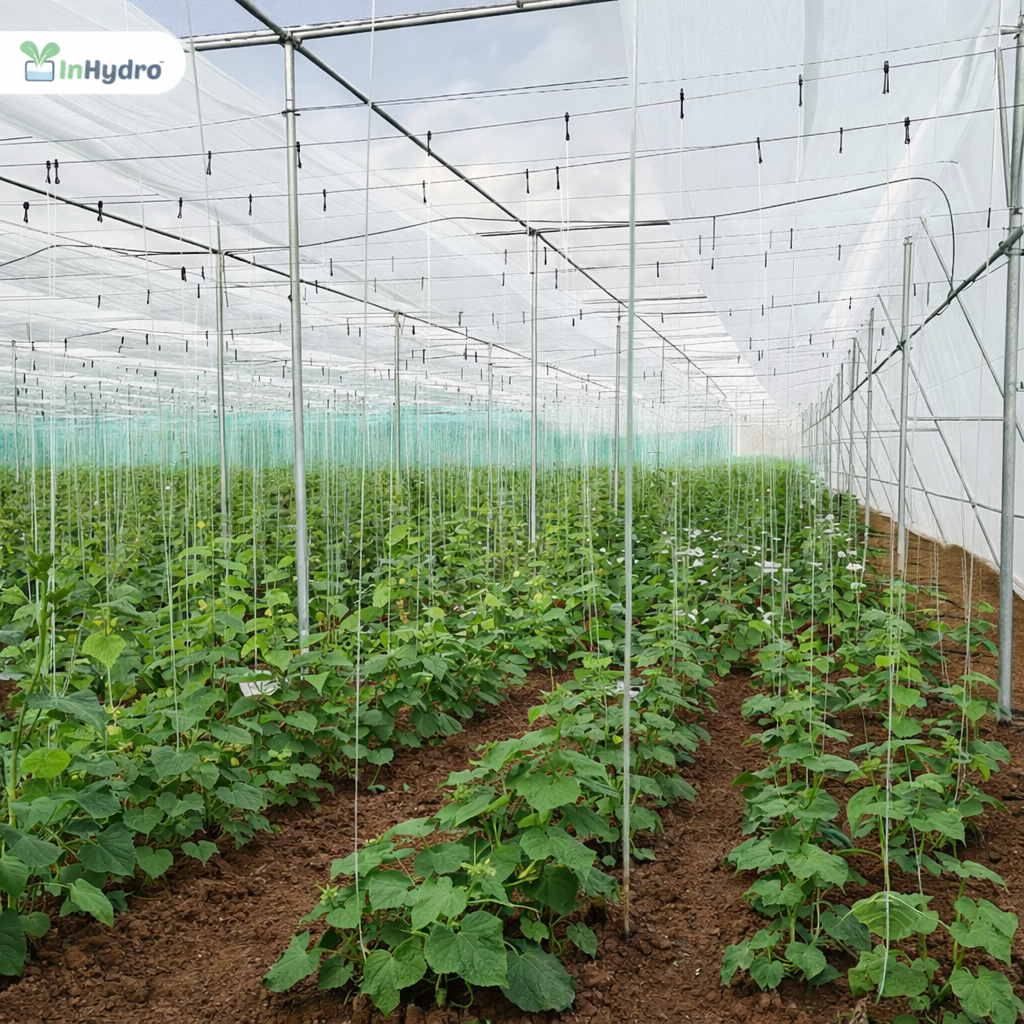
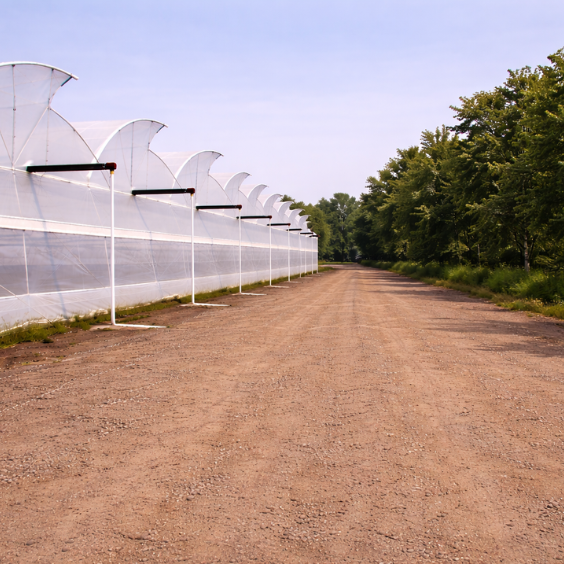
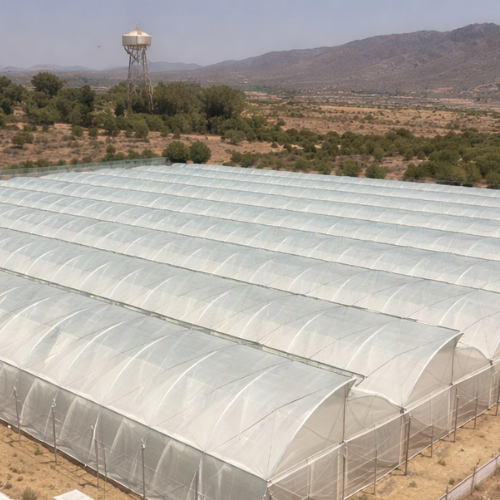
Project Gallery: NHB-Approved Shade Net House Installations

Standard sizes with indicative pricing as per government benchmark rates

The pricing mentioned below is based on the government approved benchmark rate for Dome Shape Shade Net House as prescribed under NHB and respective State Horticulture Department guidelines. The approved rate of ₹700 per square meter is applicable for protected cultivation structures constructed through empanelled agencies and includes the complete development of the shade net house.

Size (Sq.M) Approx. Area Rate (₹/Sq.M) Total Price (₹) Subsidy (%)
2000 Sq.M ~0.5 Acre ₹690 ₹8,80,000 Up to 50%
4000 Sq.M ~1 Acre ₹690 ₹17,60,000 Up to 50%
8000 Sq.M ~2 Acres ₹690 ₹35,20,000 Up to 50%

Increase Your Farming Profit with Naturally Ventilated Polyhouse (NVPH)

A Naturally Ventilated Polyhouse (NVPH) is not just a structure — it is a profit-generating farming system. By creating a controlled growing environment, NVPH allows farmers to grow high-value crops throughout the year and sell produce when market prices are highest.

Instead of depending on seasonal rainfall and unpredictable weather, you get a protected cultivation system that gives you stability, consistency, and higher returns.


How NVPH Helps You Increase Profit

1️⃣ Higher Yield per Acre

With controlled temperature and humidity, crops grow faster and healthier. Farmers typically experience 2x to 4x higher production compared to open-field farming.

2️⃣ Off-Season Farming Advantage

You can grow crops like capsicum, cucumber, tomato, and flowers even during off-season. Off-season produce sells at premium market rates, increasing your margin significantly.

3️⃣ Better Quality = Better Price

Protected cultivation reduces pest attack and crop damage. Uniform size, color, and quality help you supply to:

  • Supermarkets

  • Export markets

  • Bulk buyers

  • Hotels & restaurants

Better quality always means better selling price.

4️⃣ Reduced Risk from Weather

Heavy rain, hailstorm, strong wind, and extreme sunlight damage open crops. NVPH protects your investment and reduces financial risk.

5️⃣ Water & Fertilizer Efficiency

With drip irrigation and fertigation systems, you reduce wastage and increase nutrient efficiency. Lower input cost + higher output = higher net profit.

6️⃣ Government Subsidy Support

Under MIDH / State Horticulture schemes, you may get up to 50% subsidy, reducing your initial investment and increasing return on investment (ROI).

Weight 15 kg
Panel Material

High-quality UV-stabilized Polypropylene (PP)

Panel Size

396 mm (L) × 150 mm (H) × 116 mm (D)

Pot Size

122 mm × 80 mm × 80 mm

Plant Capacity

3 plants per panel

Plant Density

5 plants per sq. ft.

Configuration

Modular, expandable, wall-mounted or free-standing

Watering System

Integrated drip irrigation with nutrient recirculation

Vertical Wall Garden

18 Planter, 27 Planter, 36 Planter

Reviews

There are no reviews yet.

Add a review

Additional Technical Specifications & Government Compliance Standards

The Inhydro NVPH Polyhouse (Naturally Ventilated Polyhouse) is designed and manufactured in strict accordance with the technical guidelines prescribed by the National Horticulture Board (NHB) and the Mission for Integrated Development of Horticulture (MIDH). Every structural component, including the Hot-Dip Galvanized (HDG) steel framework, ventilation system, and UV-stabilized covering material, is engineered to meet government-approved specifications. This ensures high structural reliability, long service life, optimal crop protection, and eligibility for subsidy schemes under approved horticulture programs. Designed specifically for Indian agro-climatic conditions, the Inhydro NVPH Polyhouse delivers durability, performance, and compliance with national protected cultivation standards.

Key Compliance Points:
  • HDG (Hot-Dip Galvanized) steel structure with prescribed micron coating thickness

  • Wind load and structural design as per government-approved standards

  • UV-stabilized polyethylene film as per NHB specifications

  • Proper roof and side ventilation system for natural airflow

  • Foundation and column spacing as per subsidy norms

1️⃣ STRUCTURAL PIPE SPECIFICATIONS (CRITICAL FOR SUBSIDY)
Structural Member Pipe OD Thickness Material Remarks
Main Columns 60 mm 2.0 – 2.5 mm HDG Stee Primary load bearing, wind resistant structure
Foundation Insert Pipe 60 mm 2.5 mm HDG Steel Embedded in RCC footing (1–1.5 m depth typical)
Roof Arches 48 mm 2.0 mm HDG Steel Supports polyfilm covering
Ridge Pipe 42 mm 2.0 mm HDG Steel Top structural alignment & stability
Roof Purlins 42 / 48 mm 2.0 mm HDG Steel Polyfilm & shade net support
Side Purlins 42 mm 2.0 mm HDG Steel Lateral reinforcement
Cross & Wind Bracing 33 mm 2.0 mm HDG Steel Wind load resistance (120–150 km/h zone dependent)
Curtain Runner Pipe 42 mm 2.0 mm HDG Steel Manual/automatic roll-up ventilation system
2️⃣ Pipe & Coating Standards
Parameter Standard
Pipe Type Circular Hot Dip Galvanized Steel Pipes (IS 1161)
Galvanization Hot Dip Galvanized as per IS 4759:2019
Zinc Coating 275 GSM
Jointing Method Nut–Bolt & Clamp System (GI Hardware)
Welding Not permitted in main structural members
3️⃣ Shade Net Specifications
Parameter Specification
Material UV Stabilized HDPE Knitted Fabric
Shade Factor 50%
Roof Net GSM 120 GSM
Side Net GSM 100 GSM
UV Life 5 Years (UV Stabilized)
4️⃣ Foundation & Civil Works
Item Specification
Foundation Type RCC Footing with Reinforcement
Concrete Grade M20
Depth 750 mm
Purpose Wind & structural load stability
5️⃣ Scope of Supply & Installation
Item Status
Structure & erection ✅ Included with complete fabrication
Shade net supply & fixing ✅ Included with UV stabilized net
Civil foundation work ✅ Included with RCC footing
Inspection & subsidy readiness ✅ Included with documentation support
6️⃣ Exclusions
Item Status
Planting material ❌ Not Included in project cost
Fertilizers & pesticides ❌ Not Included in project cost
Electricity & water ❌ Not Included in project cost

A Naturally Ventilated Polyhouse (NVPH) is a protected cultivation structure covered with UV-stabilized polyethylene film and designed with top and side ventilation openings. It works on the principle of natural airflow — hot air rises and exits through roof vents, while fresh air enters through side vents. This creates a balanced microclimate inside the structure without relying heavily on mechanical cooling systems. NVPH structures are widely used in India for high-value vegetable and flower cultivation due to their cost-effectiveness and energy efficiency.

The cost of an NVPH Polyhouse in India generally ranges between ₹700 to ₹1,200 per square meter depending on factors such as structural design, height, film thickness, wind load capacity, and location. The final price also varies based on optional systems like drip irrigation, fogging, insect netting, and foundation type. Farmers can significantly reduce their investment cost by availing government subsidies under horticulture schemes.

Yes, NVPH Polyhouses constructed as per the technical standards of the National Horticulture Board(NHB) and Mission for Integrated Development of Horticulture (MIDH) are eligible for government subsidy, subject to state approval and compliance verification. The structure must meet prescribed specifications such as HDG steel pipe thickness, micron zinc coating, approved design dimensions, and UV film standards. Subsidy percentage varies by state and farmer category.

An NVPH Polyhouse is ideal for cultivating high-value and off-season crops such as Capsicum, Tomato, Cucumber, Strawberry, Gerbera, Rose, and leafy vegetables. It is particularly beneficial for crops that require controlled temperature and humidity conditions. The structure enhances yield, improves quality, and allows farmers to supply produce during off-season periods when market prices are higher.

An NVPH Polyhouse is ideal for cultivating high-value and off-season crops such as Capsicum, Tomato, Cucumber, Strawberry, Gerbera, Rose, and leafy vegetables. It is particularly beneficial for crops that require controlled temperature and humidity conditions. The structure enhances yield, improves quality, and allows farmers to supply produce during off-season periods when market prices are higher.

A well-constructed NVPH Polyhouse made with Hot-Dip Galvanized (HDG) steel typically lasts 15–20 years due to its corrosion-resistant properties. The polyethylene film covering generally has a lifespan of 3–5 years depending on UV quality and maintenance. Proper installation and periodic inspection significantly extend the overall life of the structure.

The main difference lies in environmental control. An NVPH Polyhouse uses UV-stabilized plastic film to create a semi-controlled microclimate, making it suitable for high-value vegetable and flower cultivation. A Shade Net House uses HDPE shade net fabric primarily to reduce sunlight intensity and is commonly used for nurseries and low-cost cultivation. NVPH provides better protection against rain, pests, and extreme weather conditions compared to a Shade Net House.

An NVPH Polyhouse designed as per government-approved structural calculations can withstand region-specific wind loads. The structure includes proper foundation anchoring, arch spacing, and HDG steel framework to ensure stability. Wind resistance depends on design specifications and agro-climatic zone classification.

Basic NVPH structures rely on natural ventilation and do not require continuous electricity for cooling. However, optional systems such as drip irrigation pumps, fogging systems, and automated controls may require power depending on the farmer’s setup.

NVPH Polyhouses generally use 200 micron UV-stabilized polyethylene film as per government guidelines. This thickness ensures durability, high light transmission, and resistance against harsh sunlight and weather conditions. The film also helps maintain internal temperature and humidity levels suitable for high-value crop production.

NVPH Polyhouses generally use 200 micron UV-stabilized polyethylene film as per government guidelines. This thickness ensures durability, high light transmission, and resistance against harsh sunlight and weather conditions. The film also helps maintain internal temperature and humidity levels suitable for high-value crop production.

Income from an NVPH Polyhouse depends on crop selection, market demand, and management practices. High-value crops like capsicum, cucumber, and gerbera flowers can generate significantly higher returns compared to open-field farming. With proper crop planning and market linkage, farmers can achieve better yield per square meter and improved profitability through off-season cultivation.

Installation time for an NVPH Polyhouse generally ranges from 20 to 45 days depending on the project size, foundation type, and site conditions. Proper land leveling, foundation work, and structural assembly are crucial to ensure long-term durability and compliance with subsidy inspection norms.

request A QUOTE  

Contact Us For More Information Regarding our Hydroponic projects with our team which consists of experts and well-trained professionals to provide services of the highest quality.