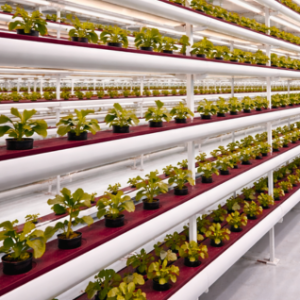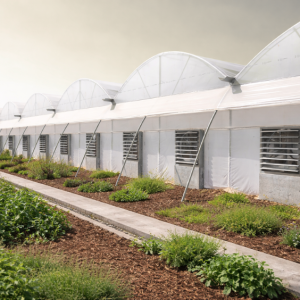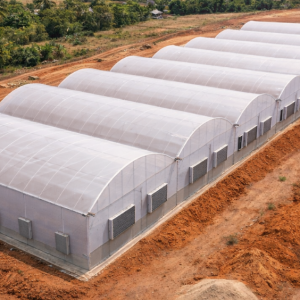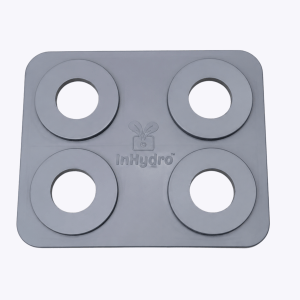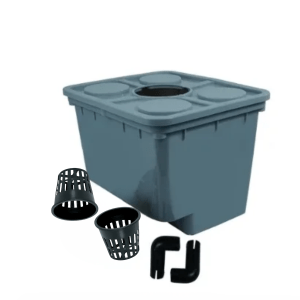

Scale up your farm with the INHYDRO HDPE Dutch Bucket – Pack of 1000, supplied as Bato buckets wholesale for growers who need volume without ordering in the thousands. In a commercial Dutch bucket system, each plant has its own bucket of inert medium such as cocopeat, perlite or clay pebbles. A drip line feeds the root zone and the surplus drains away, so roots get water, nutrients and oxygen together. A pack of 1000 is enough to plant several rows in a polyhouse or greenhouse, or to start a first commercial block.
In a commercial Dutch bucket system, plants sit in inert media such as cocopeat, perlite or clay pebbles. A drip line feeds the root zone and surplus drains away. A pack of 1000 can plant several rows in a polyhouse or greenhouse or start a first commercial block. These buckets suit tomatoes, cucumbers, capsicum, chilli, brinjal and other tall crops that need a large root zone.
These buckets suit tomatoes, cucumbers, capsicum, chilli, brinjal and other tall fruiting crops that need a large root zone and a trellis or support. If you are looking for a Dutch bucket system for sale at farm scale, this pack is the bucket component, so plan and add your own drip lines, drain pipe and nutrient tank. The price per bucket is lower than the single bucket and the pack of 100. Order online or request a quote for bulk order and delivery details.
Efficient Drainage
for Strong Roots
The stepped base drains extra solution away from the roots, so plants are not left in standing water. Roots get water, nutrients and air together, and each bucket rinses clean between crops.
Durable HDPE
Build
Strong HDPE that handles impact and corrosion better than ordinary plastic pots. Each bucket is 25 x 30 x 23 cm and weighs 0.5 kg, so it is easy to carry, fill and line up in rows.
Wholesale Pack for
Growing Farms
1000 Bato buckets wholesale in one order, at a lower price per bucket than the single bucket and pack of 100. A solid start for a commercial Dutch bucket system in a polyhouse or greenhouse.
HOW TO USE INHYDRO DUTCH BUCKETS – PACK OF 1000
Plan Your First Block
Work out how many rows of buckets your polyhouse or greenhouse bay can hold and how far apart to place them. Leave room for the nutrient tank, pump and drain return.
Add Growing Media
Fill the buckets with cocopeat, perlite or clay pebbles, keeping a small gap below the rim so water has room to soak in without overflowing.
Unpack and Rinse
Check the buckets after delivery, then wash them with clean water before first use to remove any dust.
Transplant and Support
Transplant your seedlings and fix a trellis or support string early, especially for tomatoes, cucumbers and capsicum.
Line Up the Rows
Set the buckets on a firm, level floor with the drain sides facing the same way, so a single drain pipe can serve each row.
Fit Drip and Test the Flow
Fit one drip emitter per bucket and run the pump. Check every row for an even drip and free drainage, and adjust before the crop grows.
Run the Drain Pipe
Add drain fittings as your system design requires and join them to a drain pipe with a slight slope back to the nutrient tank.
Clean and Reset Between Crops
After harvest, take out the plants and media, then rinse and sanitize the buckets so they are ready for the next cycle.
Efficient Drainage for Strong Roots
Each INHYDRO HDPE Dutch bucket holds the growing media around a single plant while a drip line feeds nutrient solution to the root zone. The stepped base lets surplus solution drain away rather than collect around the roots, which keeps a good balance of water, nutrients and oxygen. That makes the pack of 1000 a dependable starting point for a commercial Dutch bucket system.
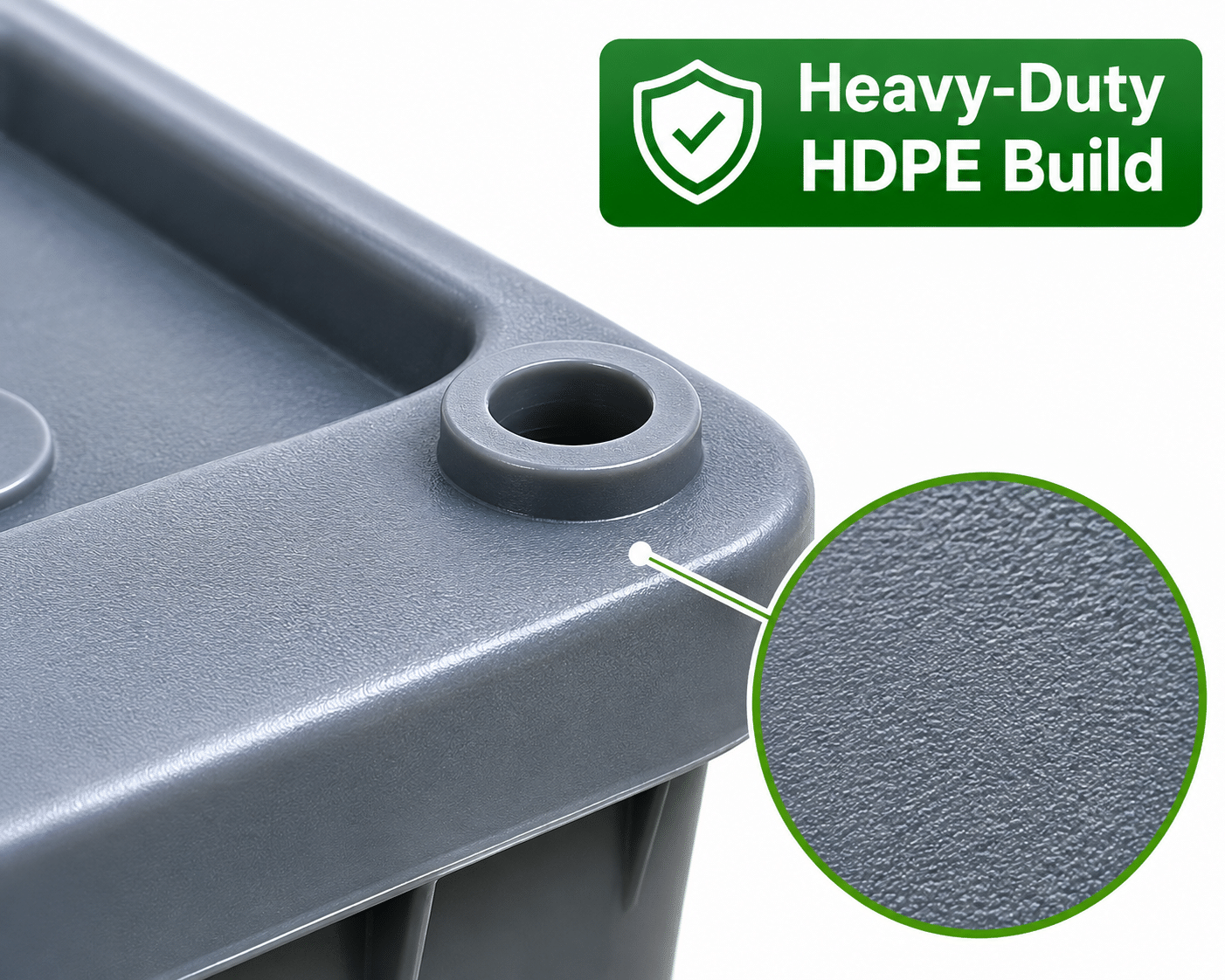
Durable HDPE Build, Easy to Handle
Made from HDPE (High-Density Polyethylene), these buckets handle impact and corrosion better than ordinary plastic pots. Each one measures 25 cm deep, 30 cm wide and 23 cm high and weighs about 0.5 kg, so a crew can carry, fill and line them up quickly. The wide opening makes it easy to add cocopeat, perlite or clay pebbles and to transplant seedlings, and the buckets rinse and sanitize easily between crops.
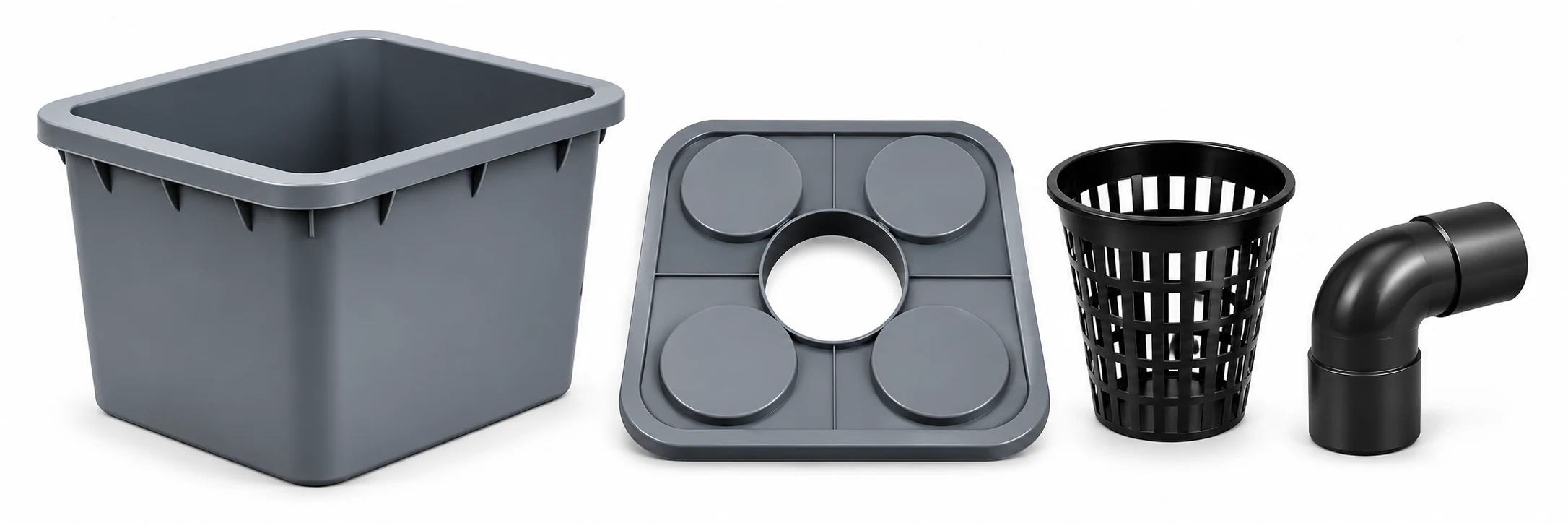
Bato Buckets Wholesale: Pack of 1000
The pack of 1000 gives growers who are scaling up Bato buckets wholesale, without ordering in the thousands. It is enough to plant several rows in a polyhouse or greenhouse, or to start a first commercial block of tomatoes, cucumbers, capsicum, chilli, brinjal and other tall fruiting crops that need a large root zone and plant support. The price per bucket is lower than the single bucket and the pack of 100. Plan your drip lines, drain pipe and nutrient tank before installation.
What's Included
- Pack – 1000 INHYDRO HDPE Dutch buckets (Bato buckets) in one wholesale order
- Size – Depth 25 cm, width 30 cm and height 23 cm per bucket
- Weight – 0.5 kg per bucket
- Shape – Open-top bucket with a wide opening and stepped base for drainage
- Material – Durable HDPE (High-Density Polyethylene) that resists impact and corrosion
- Growing Media – Works with cocopeat, perlite and clay pebbles
- Best For – Growers scaling up to a first commercial block in a polyhouse or greenhouse
- Suitable Crops – Tomatoes, cucumbers, capsicum, chilli, brinjal and other tall fruiting crops
- Application – Commercial Dutch bucket systems with drip irrigation
Why Commercial Growers Choose INHYDRO Hydroponic Buckets
| Parameter | Specification |
|---|---|
| Brand | INHYDRO |
| Product | HDPE Dutch Bucket (Bato Bucket) |
| Quantity | 1000 Buckets |
| Weight | 0.5 kg per bucket |
| Depth | 25 cm |
| Width | 30 cm |
| Height | 23 cm |
| Material | HDPE (High-Density Polyethylene) |
| Growing Media | Cocopeat, perlite and clay pebbles |
| Suitable Crops | Tomatoes, cucumbers, capsicum, chilli and brinjal |
| Application | Commercial Dutch bucket systems in polyhouses and greenhouses |
INHYDRO HDPE DUTCH BUCKET – PACK OF 1000
Scale up your hydroponic farm with 1000 INHYDRO HDPE Dutch buckets, supplied as Bato buckets wholesale. Each bucket gives a single plant its own root space in cocopeat, perlite or clay pebbles. A drip line feeds nutrient solution while the stepped base lets the surplus drain out. Made from durable HDPE, this pack suits a first commercial block in a polyhouse or greenhouse growing tomatoes, cucumbers, capsicum, chilli and brinjal. The price per bucket is lower than the single bucket and the pack of 100.
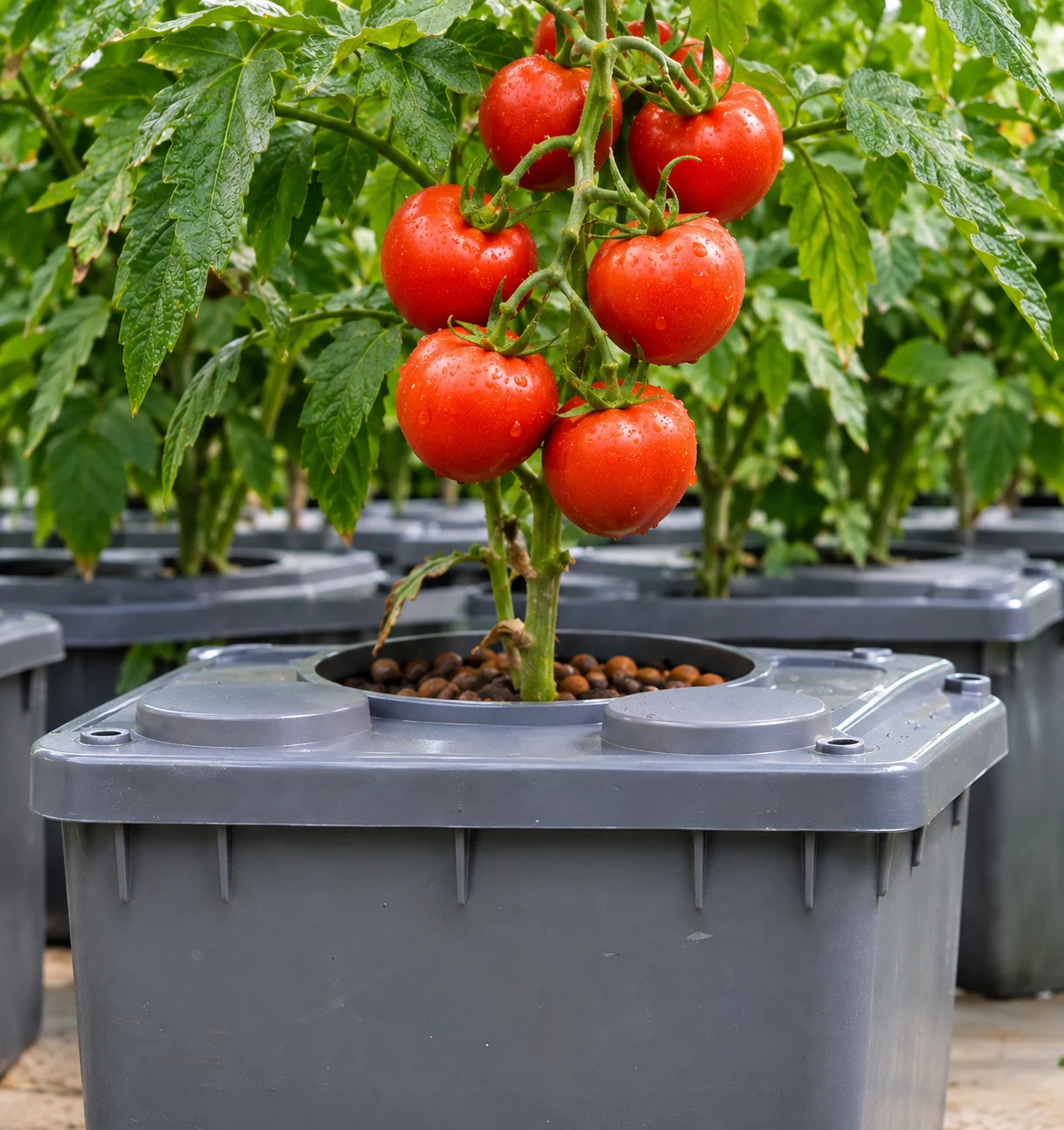
WHERE YOU CAN USE THESE DUTCH BUCKETS
- Polyhouse Growing Blocks – Set up several rows of Dutch buckets inside a polyhouse for soilless crop production
- Greenhouse Projects – Build a commercial Dutch bucket system with drip irrigation and drain pipes
- Growers Scaling Up – Move from a trial setup to a full commercial block with the wholesale pack of 1000
- Fruiting Crop Cultivation – Grow tomatoes, cucumbers, capsicum, chilli and brinjal, each plant in its own root zone
- Phased Farm Expansion – Add buckets in stages, row by row, with supports, drip lines and drain pipes ready for each new row
HOW TO SET UP YOUR PACK OF 1000
- Plan Your Block – Work out the buckets per row, the spacing, and the irrigation and drain connections for your 1000-bucket setup
- Unpack & Rinse – Check the buckets after delivery and rinse them with clean water before installation
- Line Up the Rows – Place the buckets on a level surface with the drain sides facing the same way, following your layout
- Connect Drip & Drain – Fit the drip lines and a drain pipe sloping slightly toward the nutrient tank, so extra solution flows away freely
- Fill, Plant & Test – Add cocopeat, perlite or clay pebbles, transplant seedlings, and check drip and drainage in each row before the full crop goes in
Scale up your farm with the INHYDRO HDPE Dutch Bucket – Pack of 1000, supplied as Bato buckets wholesale. In a commercial Dutch bucket system, each plant has its own bucket of inert growing medium such as cocopeat, perlite or clay pebbles. A drip line feeds nutrient solution to the root zone while the surplus drains out through the base. A pack of 1000 is enough to plant several rows in a polyhouse or greenhouse, or to start a first commercial block.
Made from durable HDPE (High-Density Polyethylene), each bucket resists impact and corrosion in demanding growing environments. With a wide opening, a stepped drainage base and a weight of just 0.5 kg, these buckets are easy to carry, fill and clean between crop cycles. They suit tomatoes, cucumbers, capsicum, chilli and brinjal, and the price per bucket is lower than the single bucket and the pack of 100.
What’s Included
- ✓ Pack Quantity – 1000 INHYDRO HDPE Dutch buckets (Bato buckets) in one wholesale order
- ✓ Size – Depth 25 cm, width 30 cm and height 23 cm per bucket
- ✓ Material – HDPE (High-Density Polyethylene)
- ✓ Weight – 0.5 kg per bucket
- ✓ Growing Media – Works with cocopeat, perlite and clay pebbles
- ✓ Best For – Growers scaling up to a first commercial block in a polyhouse or greenhouse
Why Choose INHYDRO Dutch Buckets
- ✓ Efficient Drainage – The stepped base lets surplus nutrient solution flow away from the roots
- ✓ Durable HDPE – Resists impact and corrosion in commercial growing setups
- ✓ Easy to Handle – At 0.5 kg per bucket, crews can carry, fill and line them up quickly
- ✓ Wide Opening – Simple to fill with cocopeat, perlite or clay pebbles and to transplant seedlings
- ✓ Fruiting Crops – Suits tomatoes, cucumbers, capsicum, chilli and brinjal
- ✓ Wholesale Value – 1000 buckets in one pack at a lower price per bucket than the single bucket and pack of 100
Q1. Who is the pack of 1000 Dutch buckets meant for?
This pack suits growers who are moving from a trial setup to a first commercial block. It is enough to plant several rows in a polyhouse or greenhouse, without the larger commitment of the 5000 pack.
Q2. Do you supply Bato buckets wholesale?
Yes. The pack of 1000 is our wholesale option for Bato buckets, which are also sold as Dutch buckets. You can order online, or request a quote if you need delivery or invoice details for a larger project.
Q3. How many plants can 1000 Dutch buckets support?
A bucket commonly holds one plant, so 1000 buckets cover roughly 1000 plants. The exact number depends on your crop and variety, so plan the plant count for your own layout.
Q4. How much floor space do the buckets need?
Each bucket is 25 cm deep and 30 cm wide, so that is the minimum footprint. Add extra room between buckets and rows for plant growth, walkways and the drain pipe, based on the crop you grow.
Q5. Is the price per bucket lower in the pack of 1000?
Yes. The Dutch bucket price per piece is lower in the pack of 1000 than for a single bucket or the pack of 100. Divide the pack price by 1000 to compare, and check the current prices on each product page.
Q6. Can I grow hydroponic tomatoes in these Dutch buckets?
Yes. Tomatoes are one of the most common crops for Dutch buckets. Tall tomato varieties need a trellis or support string, so plan for it when you set out your rows.
Q7. How does drainage work in a commercial Dutch bucket system?
Surplus nutrient solution leaves each bucket through its stepped base and runs into a drain pipe along the row. Slope the pipe slightly toward your nutrient tank so the solution flows away freely instead of collecting around the roots.
Q8. Can I add more buckets as my farm grows?
Yes. Many growers start with one block and add more later. The single bucket, the pack of 100 and the pack of 5000 use the same bucket, so new rows match your existing ones.
Q9. Can the buckets be reused for the next crop?
Yes. After harvest, remove the plants and media, then rinse and sanitize the buckets before the next cycle. Check each bucket and drain for damage or blockage before refilling.
Q10. How much do 1000 buckets weigh, and how do I get delivery details?
At 0.5 kg each, 1000 buckets weigh about 500 kg, not counting packaging. Contact INHYDRO with your delivery location to get a quote and delivery details for your order.


Reviews
There are no reviews yet.